Aioli Recipe: A Stable Egg Yolk Method for Homemade Aioli
Last updated on October 17th, 2026
Aioli is really just an emulsion, egg yolk holding oil in suspension, flavoured hard with garlic, but that simplicity is exactly why it’s so easy to split. It’s the same principle behind a good homemade tartar sauce, which starts life as an egg yolk emulsion before anything is chopped through it. This aioli recipe uses an egg yolk for real stability, rather than the classic Catalan method of garlic and oil alone, which is intensely flavoured but breaks the moment you look at it wrong.
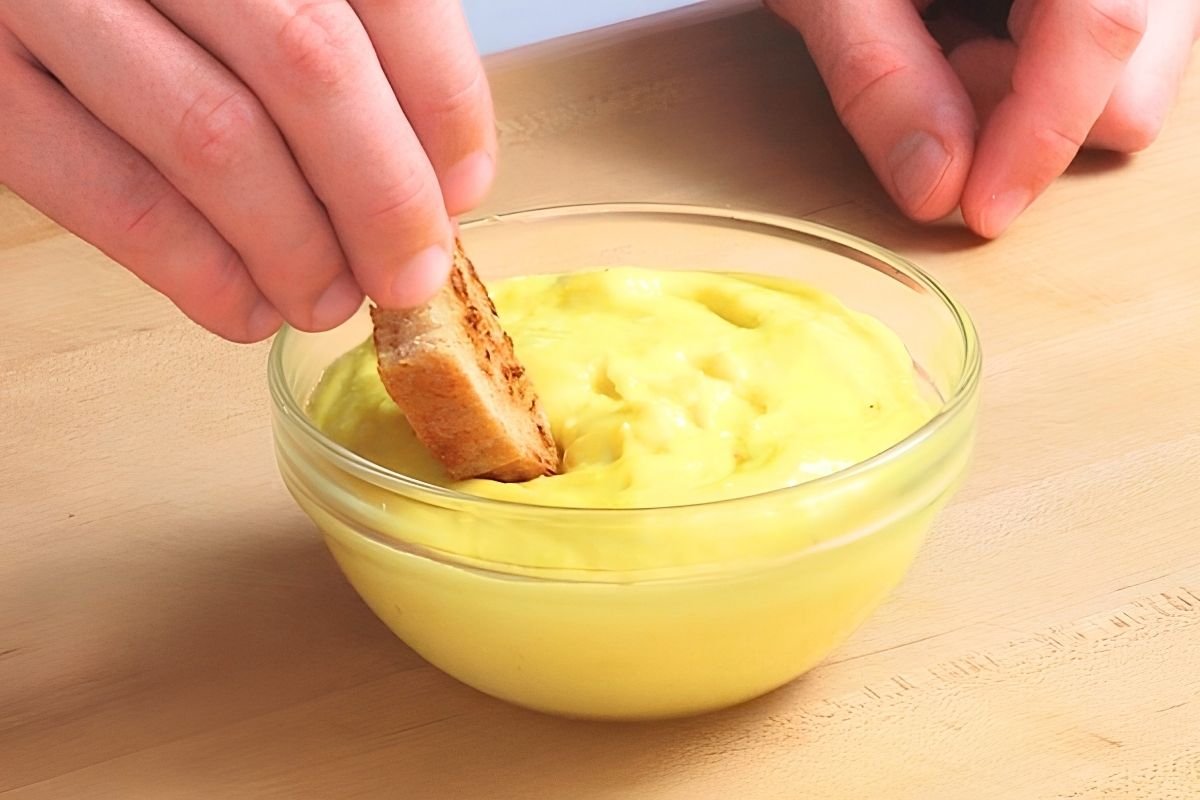
Classic Allioli vs. the Egg Yolk Aioli I Make
The original Catalan allioli is nothing more than garlic pounded with olive oil: a fragile emulsion, intensely garlicky, that splits so easily it’s rarely made that way today. A spoonful of aioli is also the classic finishing touch for crispy patatas bravas, dolloped over the top just before serving.
This version, closer to the Provençal style, adds an egg yolk, which stabilises the emulsion properly and lets the garlic mellow rather than dominate. A bowl of this next to a tray of crispy double-cooked French fries is very hard to beat. Crushing the garlic while it sits in the lemon juice takes the raw edge off before it goes anywhere near the oil, and a pinch of saffron is optional if you want extra colour and another layer of flavour. If you want a quicker route, my easy blender aioli mellows the garlic in lemon juice with a pinch of saffron for colour.
Why This Aioli Won’t Split
- Crush, blend or grind the garlic submerged in the lemon juice, this numbs that harsh raw garlic flavour into something more mellow.
- Optionally use saffron to add colour and another dimension of flavour.
- If you choose to use a blender, liquidizer or something with mechanical force then go for a neutral-tasting oil instead of extra virgin olive oil. The extra virgin olive oil will go bitter if you blend it hard.
- If you don’t have a blender you can easily make this with a bowl and a whisk (and it’s better because you can use extra virgin olive oil)
How to Make Aioli from Scratch
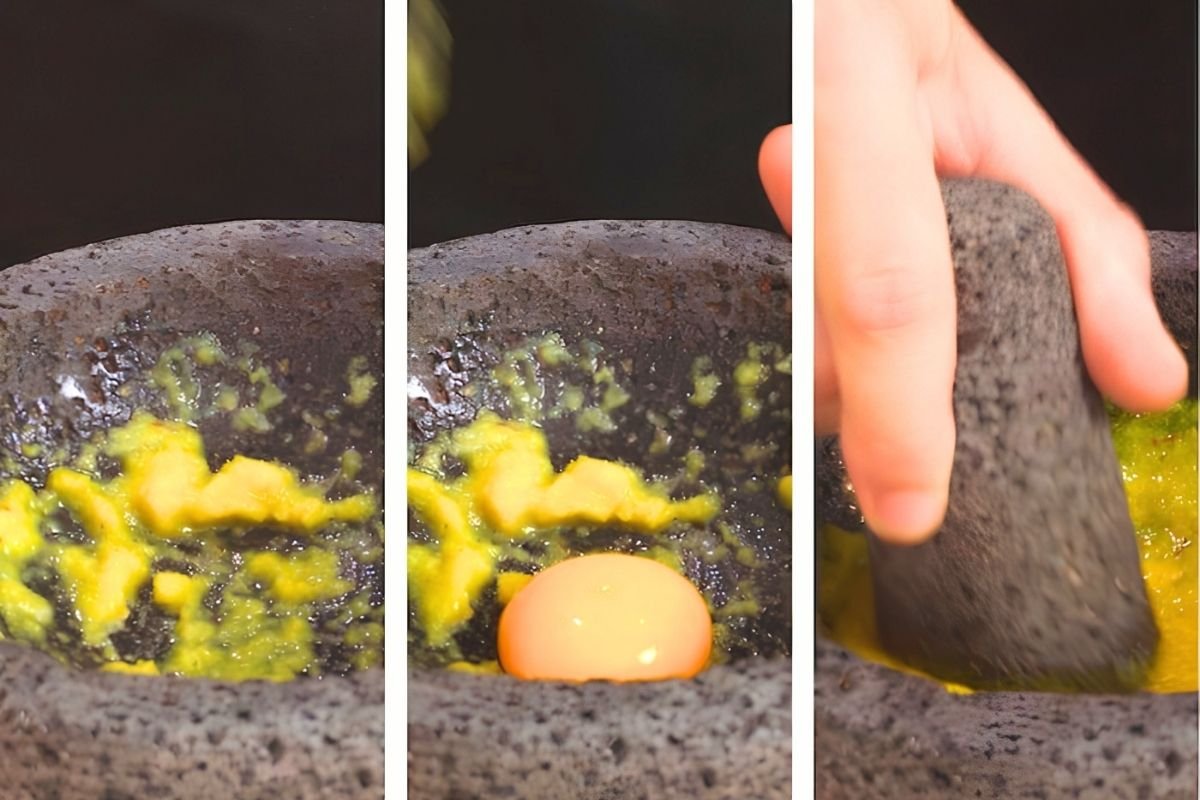
- Grind the base. Put 4 cloves of garlic, about 2 teaspoons of lemon juice, a pinch of salt and, if you want it, around 8 strands of saffron into your mortar. I use a molcajete, which is the same idea with a more textured surface. Crush and grind until the garlic is a reasonably smooth paste.
- Add the egg yolk. Mix in 1 egg yolk until it is fully combined with the paste.
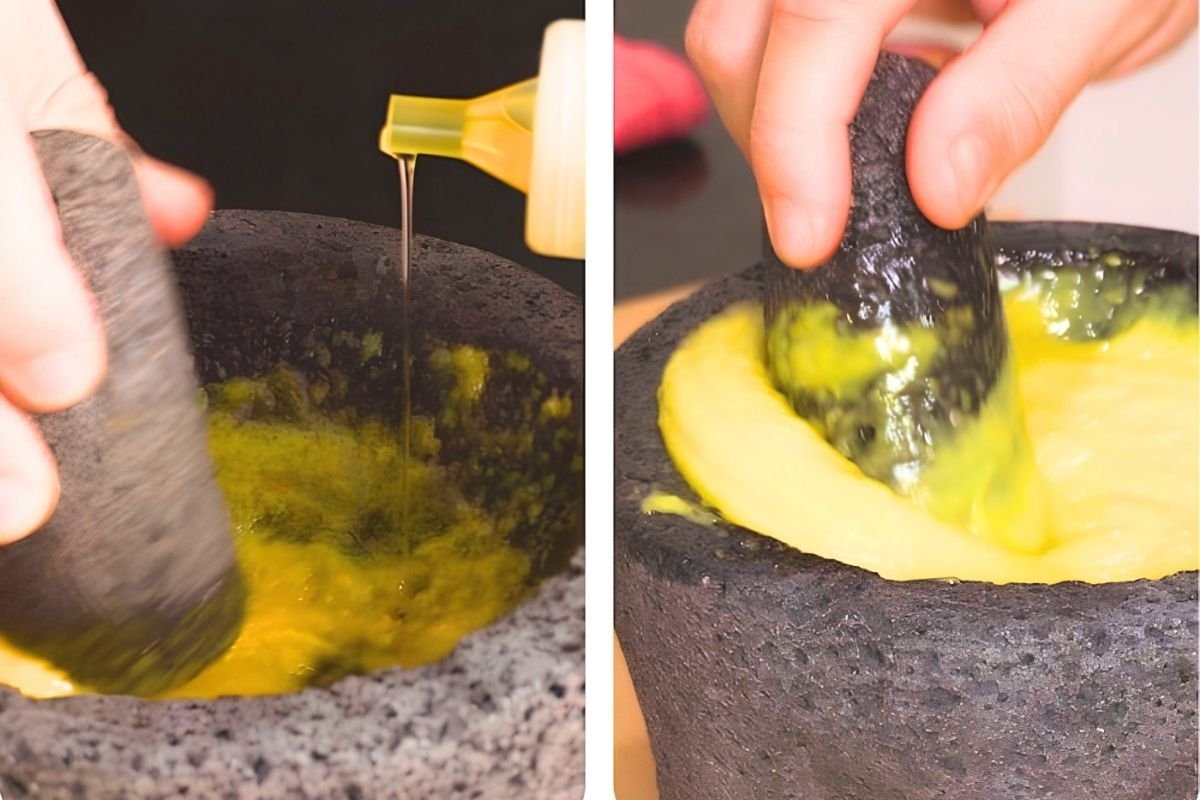
- Stream in the oil slowly. Drizzle the olive oil in while mixing. Go slowly: you don’t want to see any oil sitting on the surface. Once all the oil is emulsified, you are on track.
- Taste and adjust. Add more salt or lemon juice if it needs it, and a dash of water if it is too thick.
This is my favourite version of aioli. Made with a good olive oil and a realistic amount of garlic, it is on another level.
Frequently Asked Questions
What is aioli made of?
Aioli is garlic, olive oil, egg yolk and lemon juice, with salt and an optional pinch of saffron. The egg yolk holds the oil in a stable emulsion, which is what keeps this version from splitting the way garlic and oil alone tend to.
What’s the difference between Spanish allioli and Provençal aioli?
Spanish allioli, from Catalonia, is just garlic pounded with olive oil, which makes it intensely garlicky and easy to split. Provençal aioli adds egg yolk, lemon juice and sometimes saffron, which makes it more stable and milder.
Why does my aioli taste bitter?
This usually happens when extra virgin olive oil is blended too hard by machine. If you’re using a blender or food processor, switch to a neutral-tasting oil, and save the extra virgin for whisking by hand instead.
What does saffron add to aioli?
It’s optional, but it adds a warm colour and an extra layer of flavour, giving the sauce the distinctive golden hue you see in Provençal versions.
Can I make aioli without a blender?
Yes, a bowl and a whisk works well, and it actually lets you use extra virgin olive oil without the bitterness risk that comes with mechanical blending.
What dishes does aioli go with?
Seafood, grilled meats, patatas bravas, fresh vegetables, and boiled eggs are all classic pairings, and it’s an excellent addition to bouillabaisse.
How Long Does Homemade Aioli Keep?
Homemade aioli keeps for up to 5 days in the fridge. I’d look to consume it within 3 days.
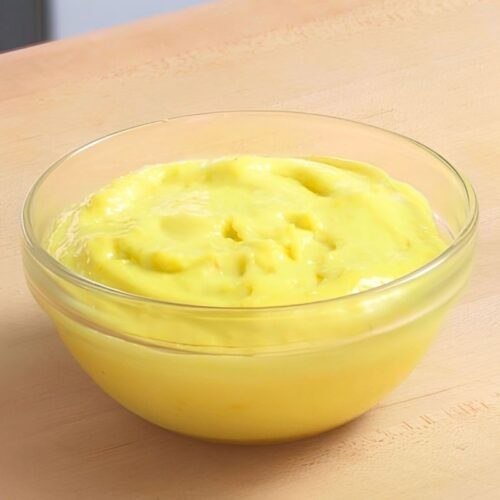
Aioli Recipe: A Stable Egg Yolk Method for Homemade Aioli
Equipment
- Baking / Roasting tray
- Mortar & pestle / Molcajete
- Stick blender
- Colander
- Dish / Ramekin
- High-sided container
- Mixing bowl / Bowl
- Kettle
- Chef’s knife
- Chopping board
- Digital scales
- Measuring jug
- Measuring spoons
- Large pot / Stockpot
- Potato masher
Ingredients
- * 1 egg yolk
- * 4 crushed or minced garlic cloves
- * 200ml / 7 oz of olive oil or other if you’re using blender etc
- * 1-2 teaspoons lemon juice more to taste at the end
- * Pinch of saffron optional
- * Salt to taste
Instructions
- Add the lemon juice, saffron, whole garlic and a light pinch of salt, to the bowl of your mortar and pestle. Grind it into a paste.
- Then add the egg yolk, mix all that together and start to stream in your olive oil.
- Mix until emulsified and add a splash of water or lemon juice if it’s too thick.
Video
Nutrition
Nutrition Facts
| Total Fat | 18.7g |
| Saturated Fat | 2.7g |
| Cholesterol | 18.4mg |
| Sodium | 1.4mg |
| Total Carbohydrate | 0.5g |
| Dietary Fiber | 0g |
| Sugars | 0g |
| Protein | 0.3g |
| Potassium | 7.6mg |