How to Make a Pan Sauce: Easy 3-Minute Basic Method
Last updated on October 13th, 2026
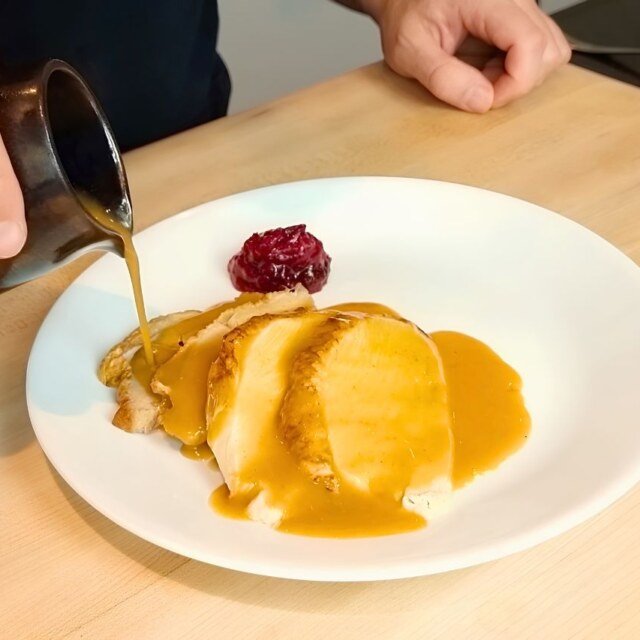
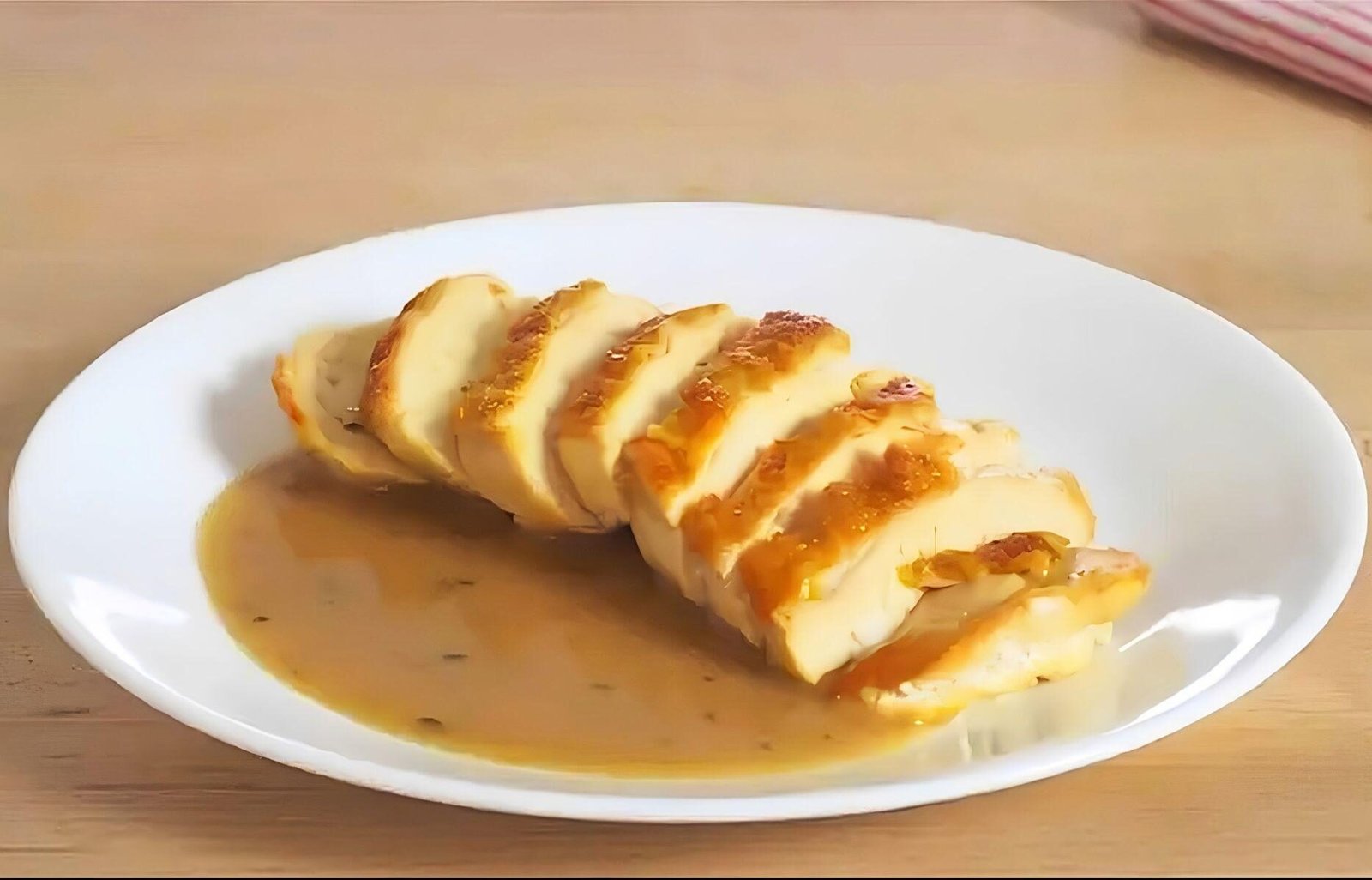
A pan sauce is a quick sauce made in the pan you have just cooked in, using the browned bits left on the base, the fond, as its flavour. This is the easy, basic method: butter, garlic, herbs, a heaped teaspoon of flour, a splash of white wine or cider, and stock. It takes about 3 minutes and works with whatever you have just fried or roasted.
Why a Pan Sauce Is Worth Making
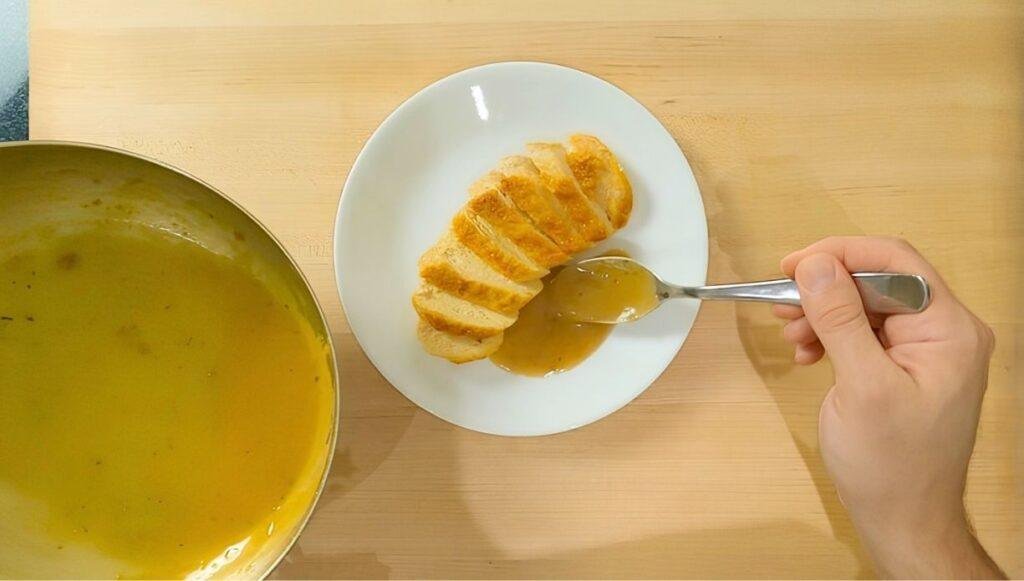
A pan sauce is the quickest way to lift a simple piece of meat or veg. Let’s delve into the reasons why pan sauces have become a staple in both professional and home kitchens alike. For a full walkthrough with three worked examples, see my step-by-step pan sauce method.
First and foremost, pan sauces have gained popularity in restaurant kitchens for one simple reason – flavour. Chefs across the globe rely on the transformative power of pan sauces to add depth, richness, and complexity to their dishes. The secret lies in the process of deglazing, where the fond (those flavourful browned bits) left at the bottom of the pan after cooking meat or vegetables becomes the foundation for a delectable sauce. By incorporating the fond into the sauce, the flavours meld together, creating a symphony of tastes that harmonize with the main components of the dish. A good stock makes a big difference here, and a quick salt-free vegetable stock keeps you in full control of the seasoning.
The versatility of pan sauces is another factor that contributes to their popularity. With just a few basic ingredients and a bit of culinary finesse, you can create a pan sauce to complement a wide range of dishes. Whether you’re searing a steak, sautéing chicken, or roasting vegetables, a pan sauce can be customized to match the flavours and ingredients of your chosen dish. If steak’s on the menu, try it with a reverse-seared chuck steak, where the final sear leaves plenty of fond behind. From savoury to tangy, creamy to herb-infused, the possibilities are endless. Roasting trays count too, so the juices left behind by my crisp roast chicken are fair game. This versatility allows chefs to experiment and create unique flavour profiles, ensuring that no two pan sauces are alike. Finishing with a slice of homemade compound butter is one of the quickest ways to add richness and herbs in one go.
Furthermore, the beauty of pan sauces lies in their simplicity and efficiency. In a fast-paced restaurant kitchen, time is of the essence. Pan sauces offer a quick and efficient way to enhance the flavours and textures of a dish without adding unnecessary complexity. With just a few minutes of deglazing, simmering, and reducing, a flavourful pan sauce can be ready to grace your plate. The quick port sauce I make alongside a crispy duck breast is a perfect example: it’s ready before the duck has finished resting.
Their ability to enhance flavours, their versatility, and their simplicity make them a favourite in restaurant kitchens around the globe. Even a weeknight pan-seared chicken breast leaves enough fond in the pan to build a proper sauce in minutes.
How to Make a Pan Sauce
I’m going to use the example below based on making 2 portions of pan sauce from 1 frying pan / saute pan / skillet.
Rest the meat and keep the fond
Take the meat out of the pan and let it rest. Do not wash the pan: the fond, the flavourful browned bits on the base, is what the whole sauce is built from. Put the pan on a low heat, and be careful, as the handle may be hot.
Cook the butter, garlic and herbs
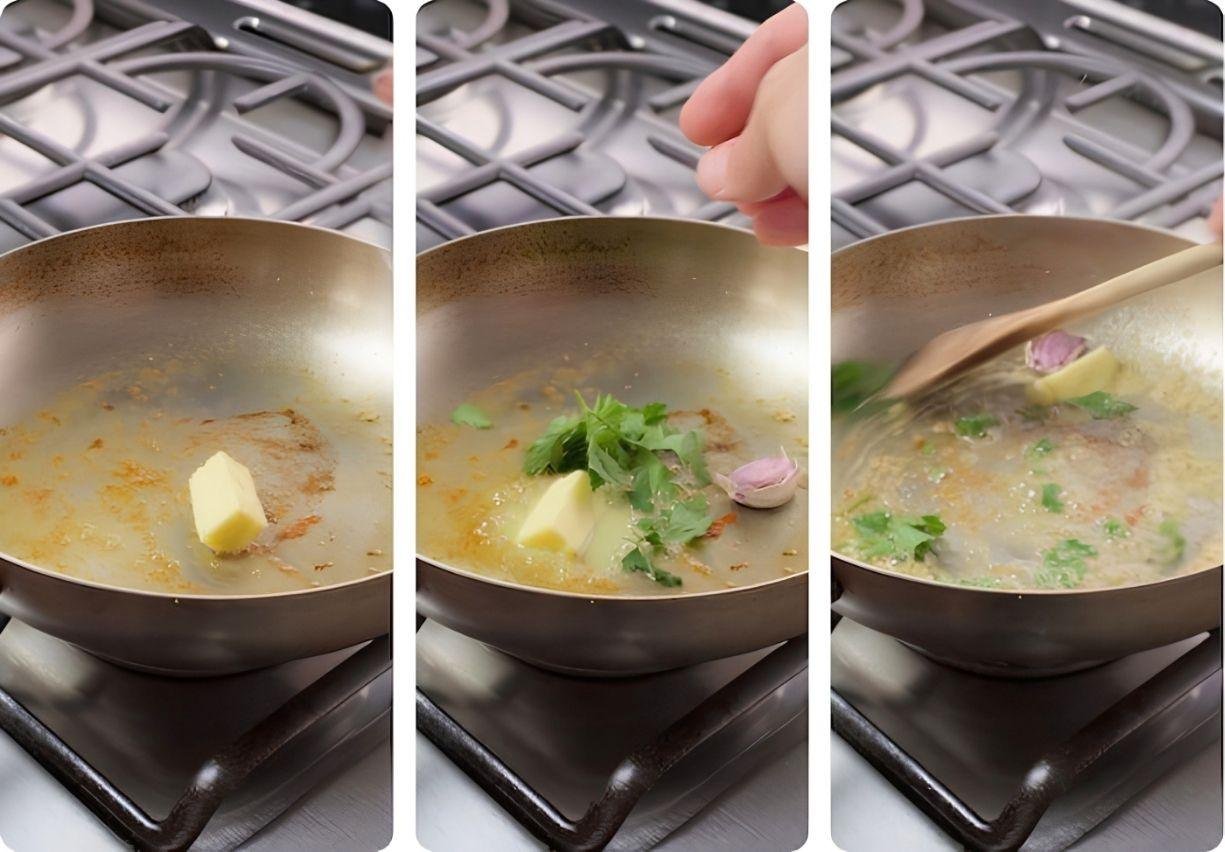
Add a small knob of butter and let it melt. Add one lightly crushed garlic clove with the skin still on and a pinch of herbs. I use parsley, but any herb you like works. Cook gently for about 30 seconds. If the pan looks dry, add a little more fat.
Cook out the flour
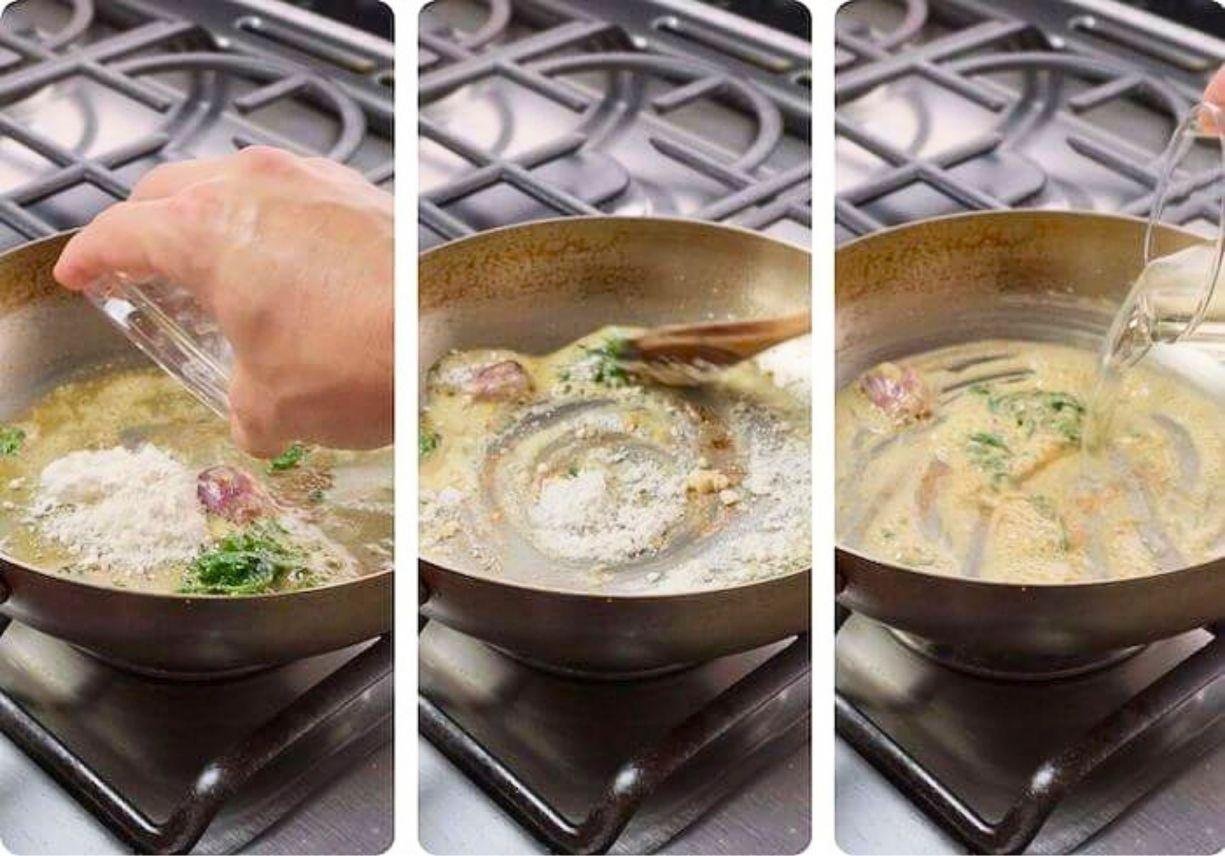
Sprinkle in a heaped teaspoon of flour and cook it out for 2 minutes, stirring continuously. This cooks off the raw flour taste. One heaped teaspoon is enough to thicken sauce for 2 portions.
Deglaze with wine, cider or water
Add a splash of white wine or cider and scrape up the fond as it bubbles. Water works too if you don’t want to use alcohol. Wait until the liquid has reduced and thickened before you add the stock.
Add the stock and simmer
Add the stock and simmer until you are happy with the flavour and the consistency, tasting as you go. That is a basic pan sauce, literally a 3 minute sauce.
Cooking a specific meat? I have separate recipes for steak pan sauce, pork chop pan sauce and chicken pan sauce.
Tips for a Better Pan Sauce
- ALWAYS REMEMBER the pan handle 9 times from 10 will be oven hot so place a cloth on the handle or some other visual reminder.
- Check the thickness by dragging a spoon through the sauce. If it leaves a trail behind it, you are good to go.
- Stop a little thinner than you want. The sauce sets slightly more once it hits the plate.
- A great gluten-free alternative for the wheat flour is a cornflour slurry.
- If you don’t want to use any alcohol then look at adding some vinegar or finish with some citrus juice for that acidic flavour.
- This sauce can be as simple as remaining fat in the pan, flour and some stock. It’s up to you how you flavour it for each individual dish.
What is deglazing and why does it matter for a pan sauce?
Deglazing means loosening the flavourful browned bits (the fond) left at the bottom of the pan after cooking meat or vegetables. Incorporating this fond into your sauce is what gives a pan sauce its deep, rich flavour.
Can I make a pan sauce without alcohol?
Yes: simply skip the alcohol and add a splash of vinegar to a little water instead, following the same process, or skip that step entirely and finish the sauce with some citrus juice at the end.
How do I thicken a pan sauce?
One heaped teaspoon of flour is enough to thicken up to 2 portions of sauce. For a gluten-free alternative, use a cornflour slurry instead.
What is pan sauce made of?
In this basic version a pan sauce is made from the fond left in the pan after cooking meat, butter, garlic and herbs, a heaped teaspoon of flour, a splash of white wine or cider (or water) and stock.
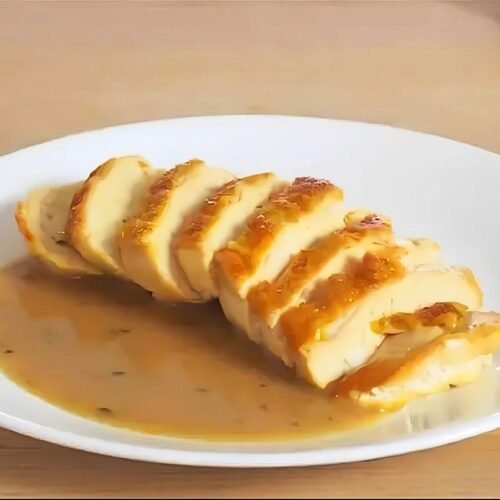
How to Make a Pan Sauce: Easy 3-Minute Basic Method
Equipment
- Baking / Roasting tray
- Heatproof container / Dish
- Chef’s knife
- Chopping board
- Measuring jug
- Measuring spoons
- Frying pan
- Plate / Tray
- Spoon (table, dessert, tea)
- Tongs
- Whisk
- Wooden / Stirring spoon
Ingredients
- These ingredients are based on 2 portions from one chicken pan
- 1 x frying pan with plenty of fond stuck to the bottom
- Small knob of butter 10-20g
- Heaped teaspoon of flour
- 50 ml wine OR 25ml of any stronger distilled alcohol
- 120 ml chicken stock
Instructions
- After removing the meat from the pan and allowing it to rest, do not discard the fond (the flavourful browned bits) at the bottom of the pan.
- Place the pan on a low heat, being careful as the handle may be hot.
- Add a small knob of butter to the pan and let it melt.
- Add one clove of garlic lightly crushed with the skin still on and a small pinch of a herb of your choice.
- Cook the aromatics gently in the pan for about 30 seconds.
- Add a heaped teaspoon of flour to the pan.
- Cook the flour in the butter for 2 minutes, stirring continuously. This step helps to cook out the raw flavour of the flour.
- Deglaze the pan by adding a splash of white wine or cider. Alternatively, you can use water as a deglazing liquid.
- Allow the wine or cider to reduce and thicken before adding the stock.
- Add the stock to the pan.
- Simmer the sauce, allowing it to reduce and thicken to your preference. The time required for simmering can vary, but taste the sauce periodically to ensure the desired flavour is achieved.
- Once you’re happy with the thickness and flavour of the sauce, it is ready to be served.
- Enjoy your delicious homemade pan sauce, which can be prepared in just 3 minutes!
Video
Nutrition
Nutrition Facts
| Total Fat | 6.2g |
| Saturated Fat | 3.9g |
| Cholesterol | 17.3mg |
| Sodium | 272.2mg |
| Total Carbohydrate | 1.9g |
| Dietary Fiber | 0.0g |
| Sugars | 0.5g |
| Protein | 0.6g |
| Potassium | 32.6mg |