Spinach Cavatelli: Homemade Spinach Pasta From Scratch
Last updated on October 16th, 2026
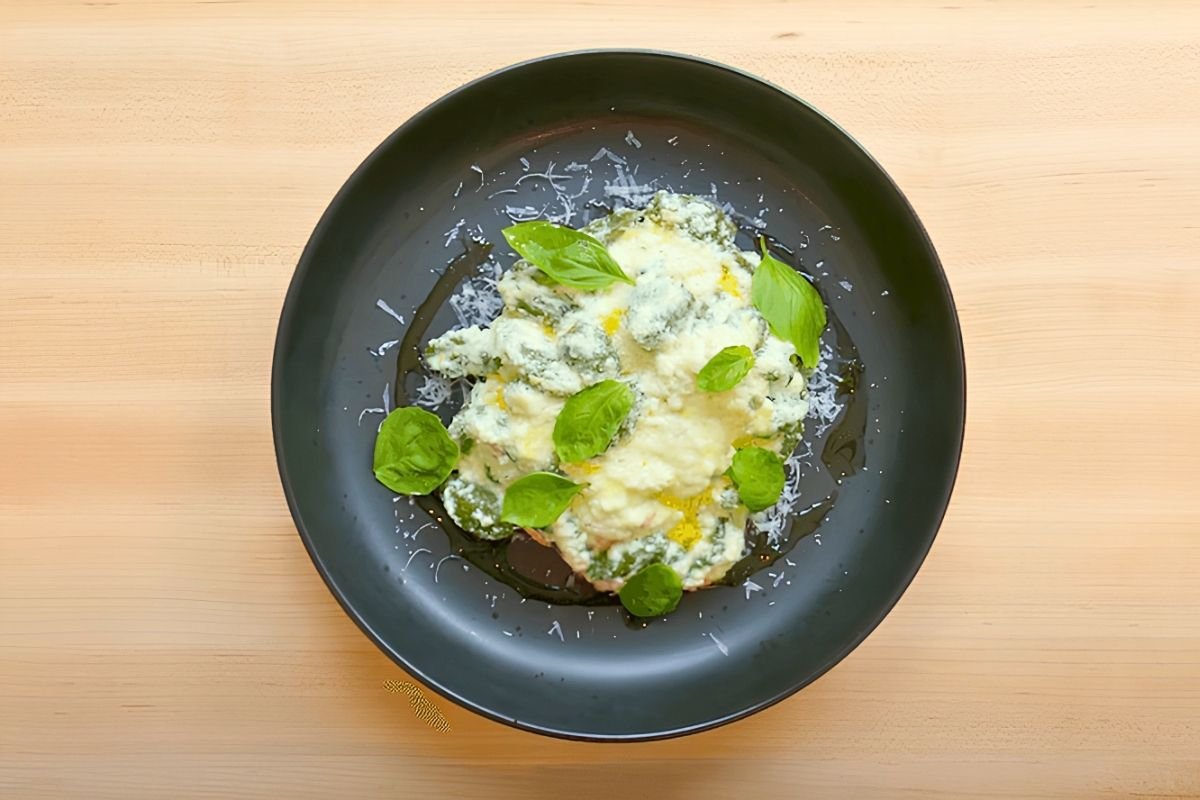
This spinach cavatelli starts with just a food processor, 120g of spinach and flour. No pasta machine, no rolling pin, and no shortage of restaurant polish once it’s on the plate. Blitzed spinach binds the dough, so its colour comes entirely from the vegetable rather than anything artificial, and the shape it’s rolled into, cavatelli, is one of the easiest pasta shapes to learn by hand. Pair it with a quick lemon and ricotta sauce and you’ve got a genuinely restaurant-quality plate for a fraction of what it costs to order it out.
How to Make Spinach Cavatelli Dough in a Food Processor
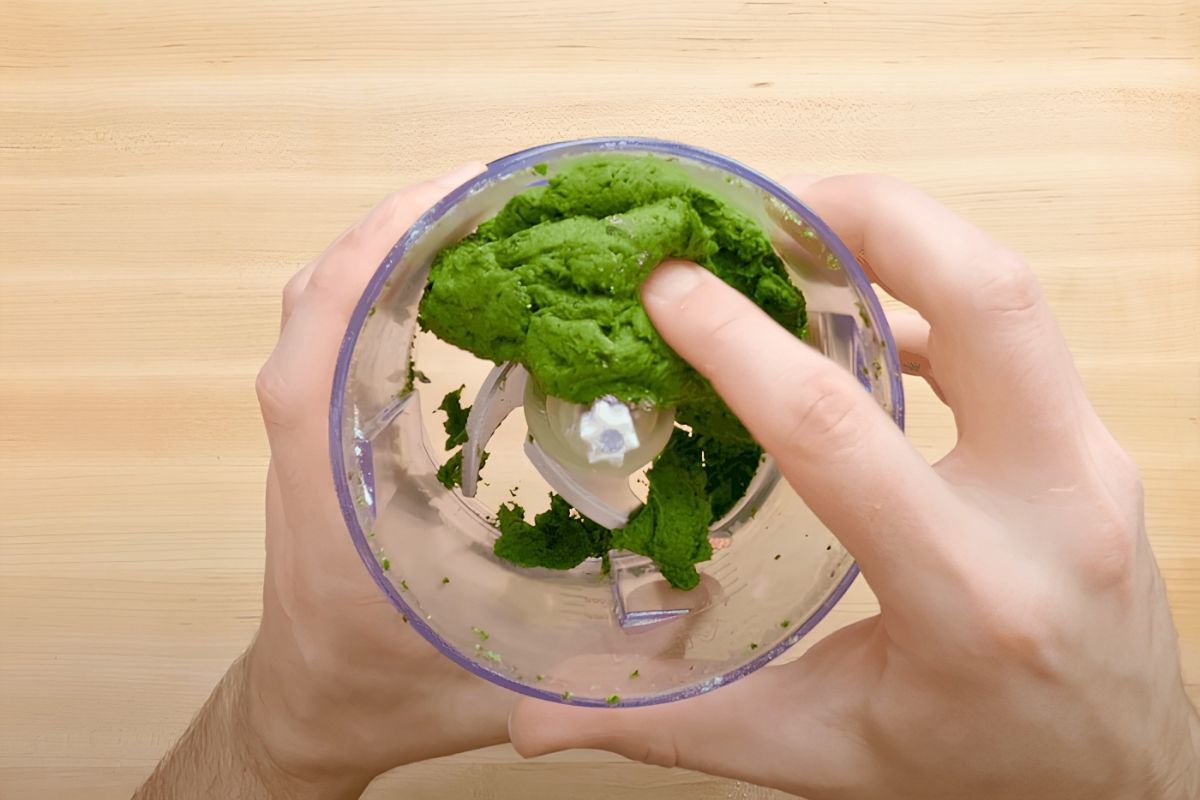
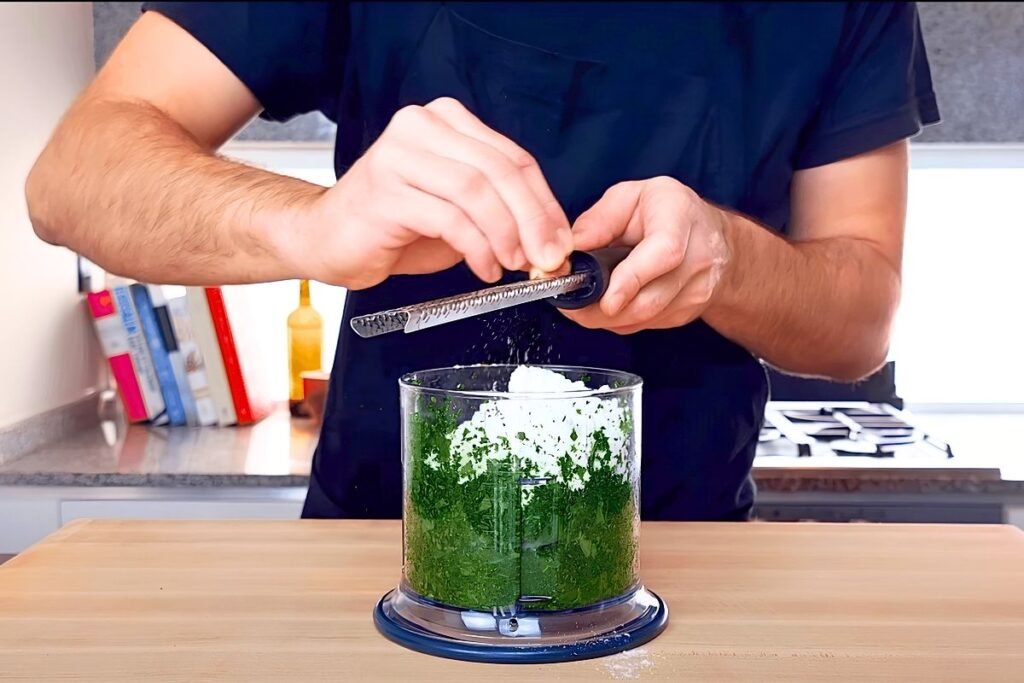
A liquidiser just isn’t built for this: the dough is far too firm, and a blender blade will stall or struggle rather than bring it together. Blitz 120 grams (approximately 4.25 ounces) of spinach in your food processor, adding it in stages if your machine’s capacity is small, until it fully breaks down. Add plain flour and a light hint of nutmeg. Less is more here: around twenty swipes on a grater is plenty. The mixture passes through a breadcrumb stage before coming together into a sticky, evergreen dough. How much flour it needs varies every time, since spinach holds water differently batch to batch and even your kitchen’s humidity plays a part, so treat the amount as a starting point rather than a fixed rule. Knead for two to three minutes, until the dough feels firm like clay or Play-Doh and only slightly sticky. If it is too sticky, knead in a little flour at a time rather than adding a lot, and keep it off wooden surfaces, because it stains anything it touches green. You will know it is ready when a prod with your finger slowly bounces back. Wrap it in a plastic bag or cling film and let it rest for at least half an hour. Resting matters just as much for my soft rolled flatbreads.
The Lemon and Ricotta Sauce
While the dough rests, mix 170g of ricotta with 20g of finely grated Grana Padano (Parmesan works too), the zest of half a lemon, just the yellow part, none of the bitter white pith, a light pinch of black pepper, a light pinch of salt, and a drizzle of extra virgin olive oil. Better still, use fresh ricotta you make yourself, which takes about 25 minutes and tastes far brighter. Give it all a good mix and set it aside. Then slice a whole clove of garlic thinly rather than crushing or halving it first: a whole clove is fiddlier to cut, but it gives you clean, even slices that fry at the same rate later, instead of uneven pieces that burn before the rest colour.
How to Shape Cavatelli by Hand
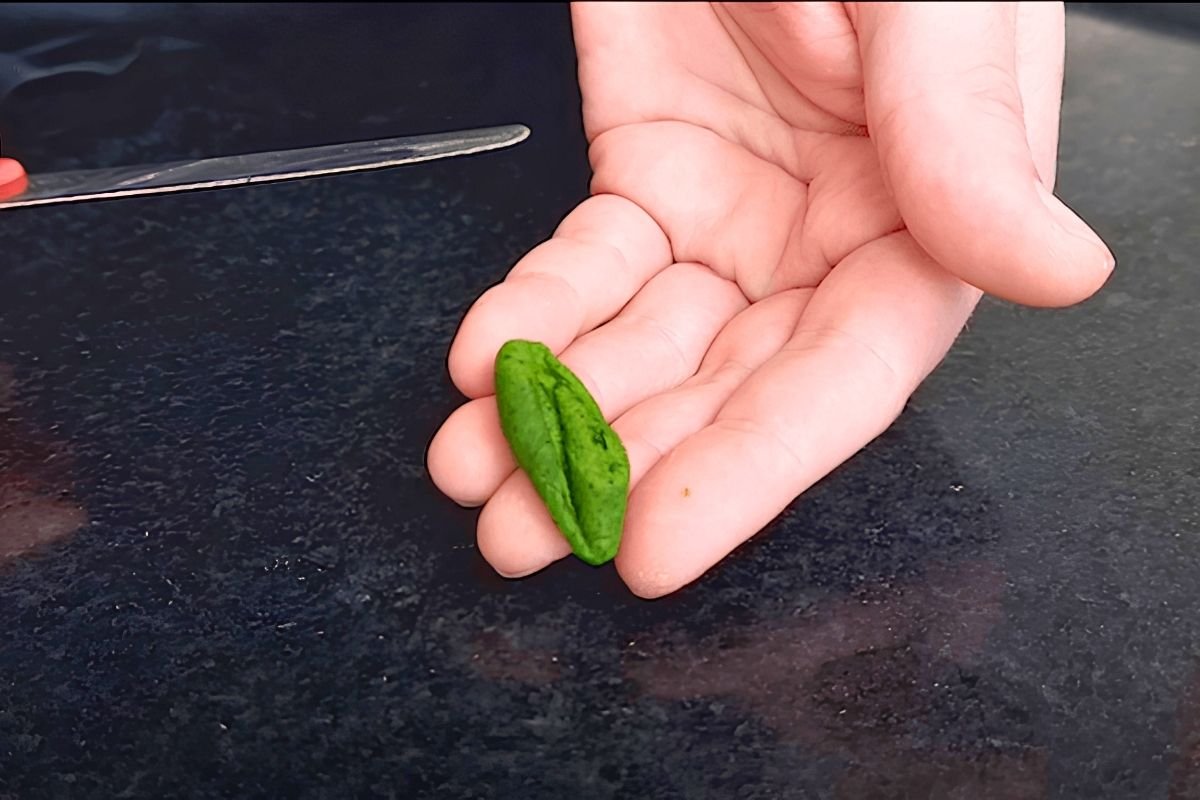
To shape homemade cavatelli by hand, cut a rolled cylinder of dough into small pillows and press each one into the work surface with a knife, pulling it back so it curls into a shell. I chose this shape because it needs no special equipment: a small serrated knife does the job, and a dough divider or even a butter knife works too. Once the dough has rested, lightly flour a sheet tray for the finished pasta and divide the dough into four equal pieces, keeping three covered if your kitchen is hot. Roll one piece back and forth under your palms, spreading your fingers outwards as you go, until you have a cylinder about 30 centimetres (roughly one foot) long and an even width. Cut it into little pillows, each around the width of your little finger. Don’t go larger, or the pasta will be chewy once cooked. Press each piece into your work surface with your knife and pull backward, so the pasta curls around the blade into a small shell shape, which is exactly what cavatelli is. It’s a genuinely simple, elegant shape to learn if you’ve never made pasta from scratch before, and it holds sauce far better than a flat noodle would. Short, sturdy shapes like this are also what I reach for in my Tuscan pasta with chickpeas. Repeat this process for the remaining dough.
How to Cook Cavatelli and Bring the Dish Together
Boil two litres (roughly two quarts) of water with a heavy pinch of salt: the Italians say it should taste like the sea, and they’re right, since the pasta only absorbs a fraction of it, so don’t hold back. It’s the same seasoning rule I swear by for scarpariello spaghetti. Cook the pasta for five to six minutes. While it cooks, heat a frying pan on a low heat with a couple of tablespoons of extra virgin olive oil for two minutes, then add the thin slices of garlic and stir constantly until they turn evenly golden brown. If they colour too quickly, lift the pan off the heat and keep stirring. Once the pasta is cooked, use a slotted spoon to move it straight into the pan, then fry it for two minutes, tossing so every piece is coated in that garlic oil. Add a ladle of pasta water and the prepared ricotta sauce, cooking until it thickens slightly. Pasta water does the same job in my courgette, chilli, lemon and herb pasta, turning a few ingredients into a glossy sauce. On a low heat that takes 30 seconds to a minute, then taste and add a little more lemon zest or juice if it needs it.
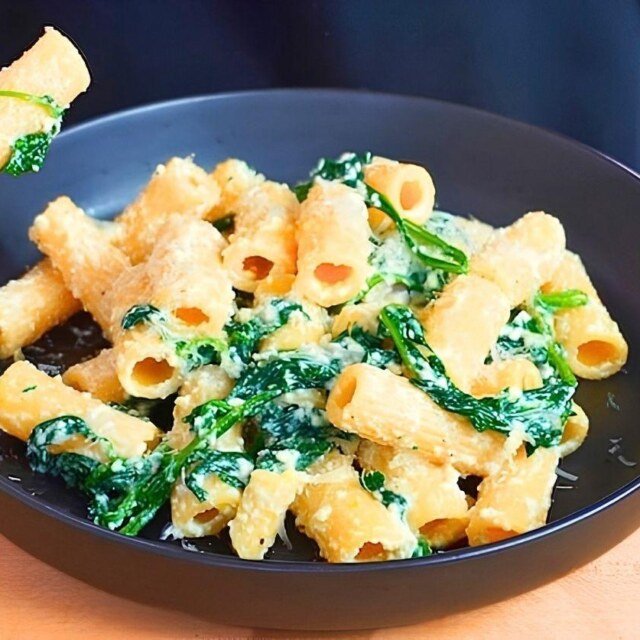
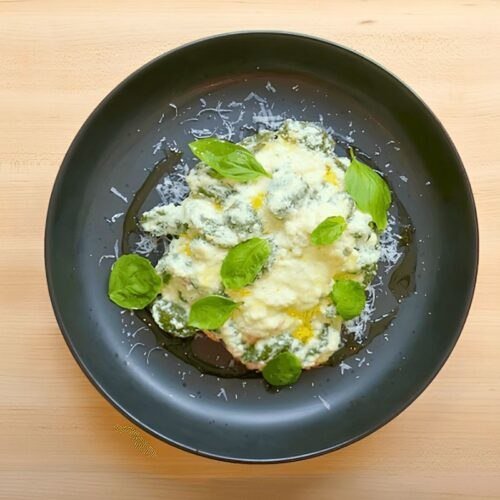
Spoon the pasta into your favourite bowl, garnishing with more grated Grana Padano, fresh basil leaves, and a drizzle of olive oil. It’s a properly restaurant-quality dish, made entirely from scratch, on a genuine home budget. If you love this combination but want something quicker, try my spinach and ricotta pasta bake.
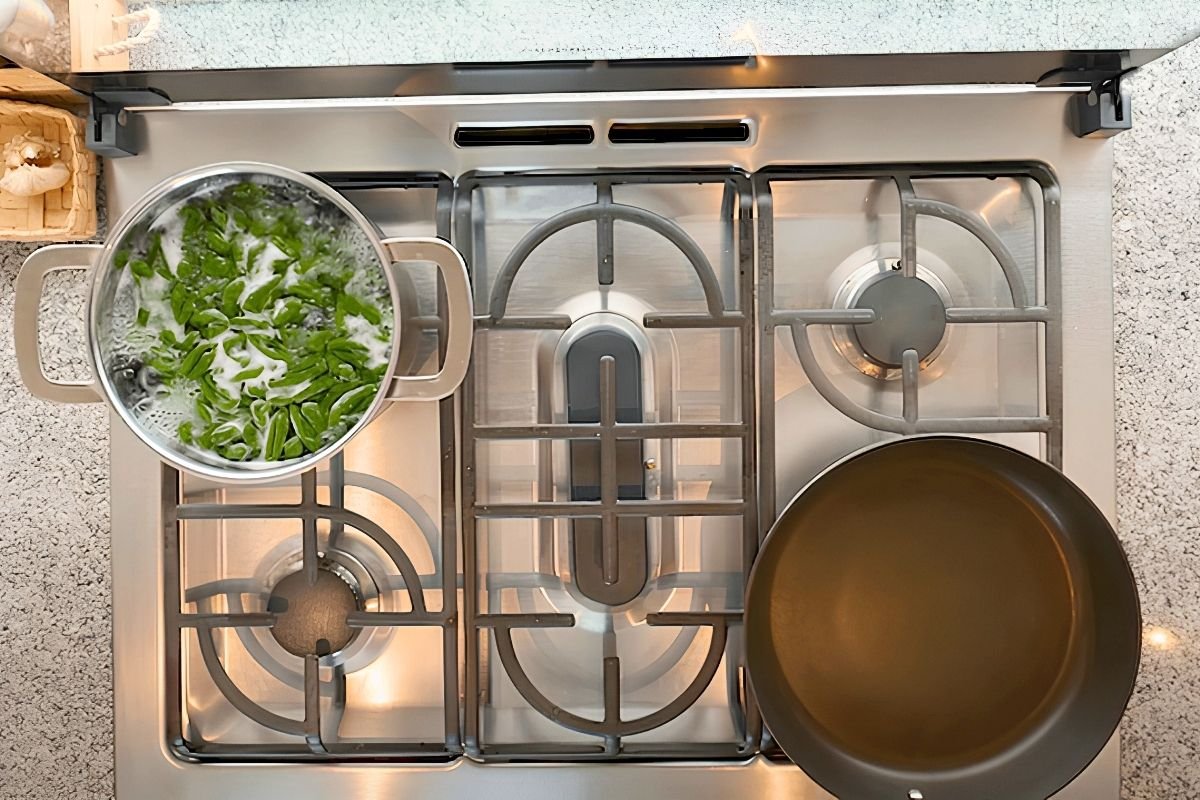
This is a good one for a small dinner party. It is also a great first pasta to make from scratch, because the shaping really does not take long.
Frequently Asked Questions
Why do I need a food processor instead of a blender?
This dough is much firmer than a batter or a smoothie, and a liquidiser just isn’t built to handle that kind of resistance, it’ll struggle or stall rather than bring the spinach, flour and nutmeg together into a proper dough. A food processor’s blade and motor are made for exactly this kind of dense mixing.
Why does the amount of flour vary each time I make this?
Spinach holds a different amount of water depending on the batch, and even your kitchen’s humidity and the flour itself can shift how much the dough needs. Treat the flour quantity as a starting point, knead in a little more, a bit at a time, if the dough still feels too sticky after a couple of minutes.
Can I make the pasta dough ahead of time?
Yes, once it’s shaped into cavatelli, you can keep it in the fridge for up to 3 days before cooking. Just lay the pieces out on a lightly floured tray without letting them touch, so they don’t stick together while they wait.
Why keep the garlic clove whole while slicing it?
Slicing a whole clove gives you clean, even, wafer-thin slices that fry evenly and turn golden at the same rate. Crushing or halving it first makes it harder to get consistent slices, and uneven pieces are more likely to burn before the rest have coloured.
Why should the pasta water taste like the sea?
Pasta only absorbs a small fraction of the salt in its cooking water, so if the water tastes properly seasoned, the pasta itself will taste pleasantly seasoned rather than bland. It’s a heavier hand than most home cooks are used to, but it makes a real difference to the finished dish.
Spinach Cavatelli: Homemade Spinach Pasta From Scratch
Equipment
- Baking / Roasting tray
- Food processor
- Dish / Ramekin
- Mixing bowl / Bowl
- Kettle
- Chef’s knife
- Microplane / Fine grater
- Serrated / Bread knife
- Digital scales
- Measuring jug
- Measuring spoons
- Frying pan
- Large pot / Stockpot
- Serving bowl / Dish
- Ladle / Skimming spoon
- Slotted spoon / Spider
Ingredients
- Makes 2 portions
- Pasta Dough
- 150 g / 5.3 oz plain flour or all purpose flour
- 120 g / 4.25 oz spinach
- Nutmeg 20 swipes on my grater or 1/4 teaspoon
- Ricotta Sauce
- 170 g / 6oz Ricotta recipe above
- 20 g Grana Padano + extra 10g each to grate on top
- 1/2 a lemon zested
- 30 ml Extra virgin olive oil + extra 70ml for frying and dressing the plate
- 1 x garlic clove thinly sliced
- Salt and pepper
Instructions
- Get a food processor and 120 grams (4.25 ounces) of spinach.
- Add the spinach to a food processor in stages and blend until it’s broken down.
- Add plain flour and a small amount of nutmeg to the food processor and continue blending until the dough forms a breadcrumb consistency.
- Place the pasta dough onto a lightly floured surface and knead for 2-3 minutes.
- Allow the pasta dough to rest for 30 minutes wrapped in plastic wrap.
- While the dough is resting, make the sauce by mixing 170 grams of ricotta, grated Grana Padano or Parmesan, the zest of half a lemon, a pinch of salt, a pinch of freshly cracked black pepper, and a drizzle of olive oil in a bowl.
- Peel one whole clove of garlic and slice it as thinly as you can. Set the slices aside in a dish.
- After 30 minutes, divide the dough into four. Roll one piece into a cylinder about 30 cm (1 ft) long, cut it into pillows about the width of your little finger, then press each one into the work surface with a small serrated knife and pull back so it curls into a shell. Repeat with the rest.
- Place the shaped pasta on a lightly floured sheet tray.
- Boil the pasta in well-salted water for 5-6 minutes. While it cooks, fry the garlic slices in olive oil on a low heat, stirring constantly, until evenly golden.
- Move the pasta into the pan with a slotted spoon and fry for 2 minutes. Add a ladle of boiling pasta water and the ricotta mixture, then cook on a low heat for 30 seconds to a minute until slightly thickened. Taste, add a little lemon zest or juice if needed, then serve with grated Grana Padano, basil and a drizzle of olive oil.
Video
Nutrition
Nutrition Facts
| Total Fat | 61g |
| Saturated Fat | 15.1g |
| Cholesterol | 58.9mg |
| Sodium | 574.3mg |
| Total Carbohydrate | 69.4g |
| Dietary Fiber | 3.6g |
| Sugars | 0.8g |
| Protein | 21.7g |
| Potassium | 649.4mg |