Salad Dressing Formula: 3 Ways to Make Any Dressing
Last updated on October 17th, 2026
Homemade salad dressings and off the shelf salad dressings, couldn’t be more different. Anything that’s designed to sit in a bottle on a shelf for a long time has got too many compromises in terms of flavour and quality of ingredients. For me at least anyway, and if you clicked on this blog post then I’m sure for you too.
The thing is I think people get confused and maybe a little overwhelmed when it comes to making their own dressings. But the reality is when you make them yourself, they’re not complicated, they’re much more cost effective, you can choose your own ingredients and you can completely customise them to your tastes.
The possibilities are quite literally endless!
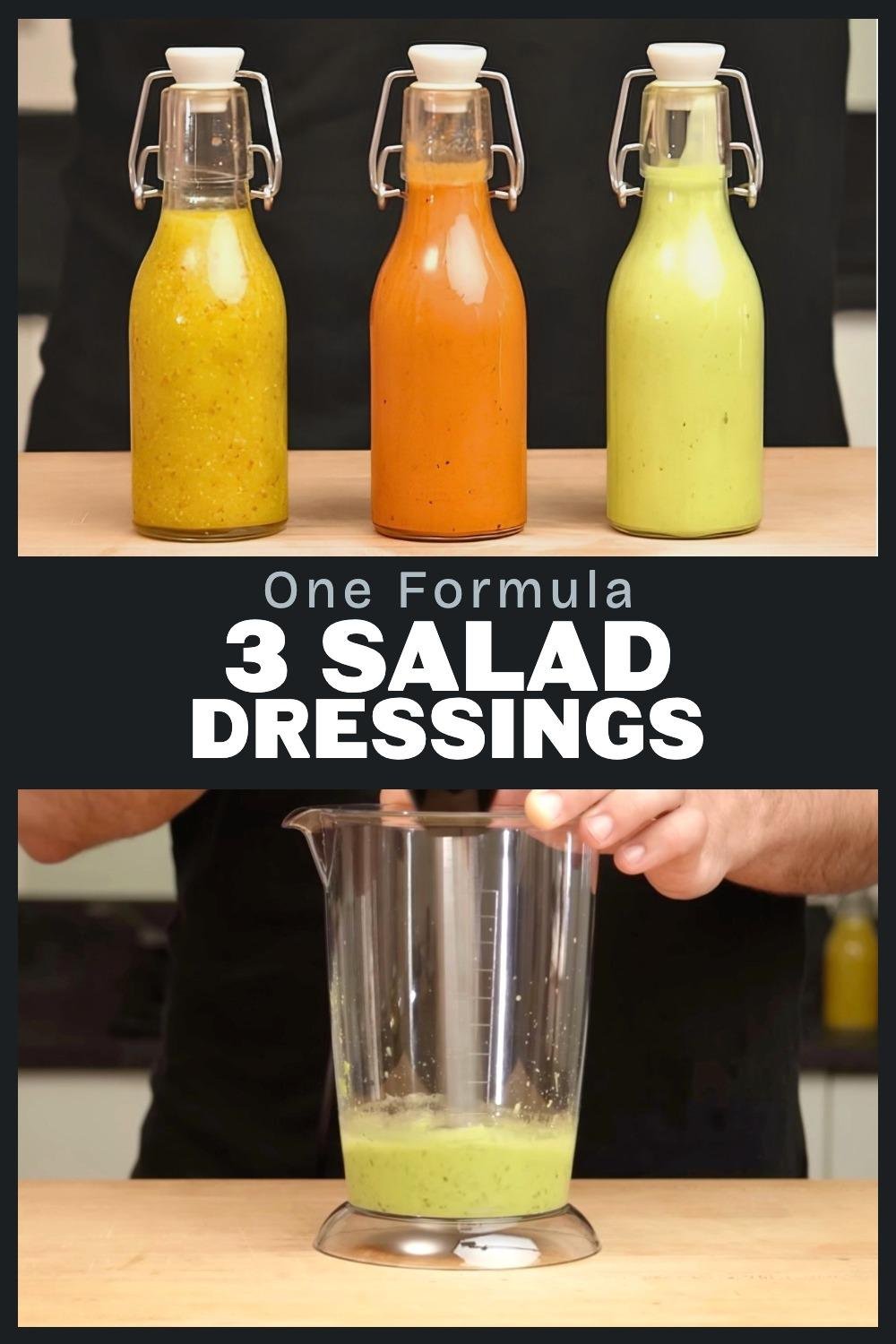
So I’ve put together a simple framework to show you how I go about making my salad dressings and I’ll make 3 different versions following this framework to show you how versatile it is. It’s the same framework I use for every dressing, built on 20 years as a chef.
The Salad Dressing Formula: Flavour, Acid, Oil and Consistency
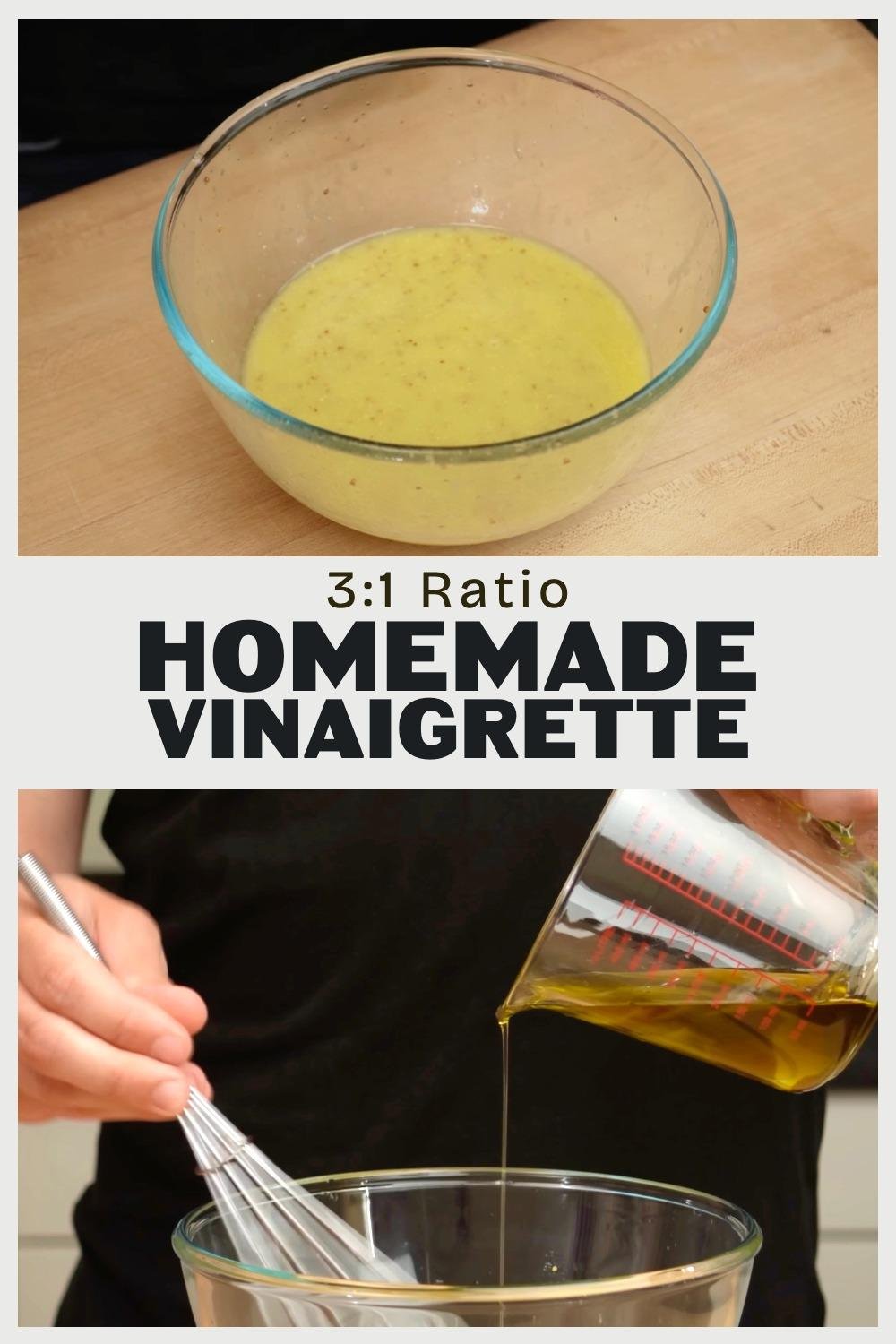
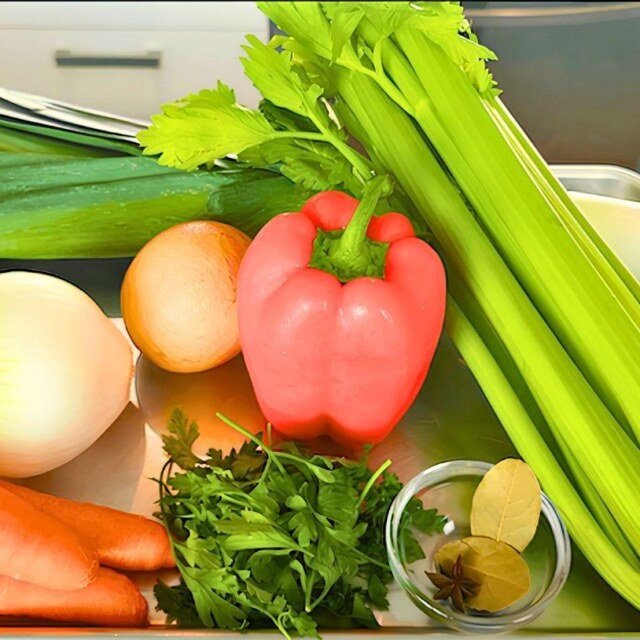
Every dressing I make follows the same four steps, whatever the flavour. First come the flavourings and anything that helps emulsify the dressing, things like mustard, pastes, egg yolk, avocado or a fruit or vegetable puree, basically anything wet with some body to it, plus whatever herbs and spices you fancy. Egg yolk is the same emulsifier that holds my garlicky aioli together. Next is the acidity, usually a vinegar but lime or lemon juice work too. You’ll see this at work in the Dijon and honey dressing for my pan-seared chicken with potato salad. I build most dressings on a 3:1 ratio of oil to acid, and that’s a good benchmark to start from before adjusting to your own taste.
Then comes the oil, which I stream in slowly while whisking or blending so it emulsifies properly rather than splitting. And last, I check the consistency once everything’s combined and loosen it with a splash of water if it needs it. Dressings sit on a spectrum from light and acidic, like a classic vinaigrette, all the way through to rich and creamy, like a Caesar or blue cheese style, and the three recipes below sit at different points along it.
How to Actually Dress a Salad (Most People Skip This)
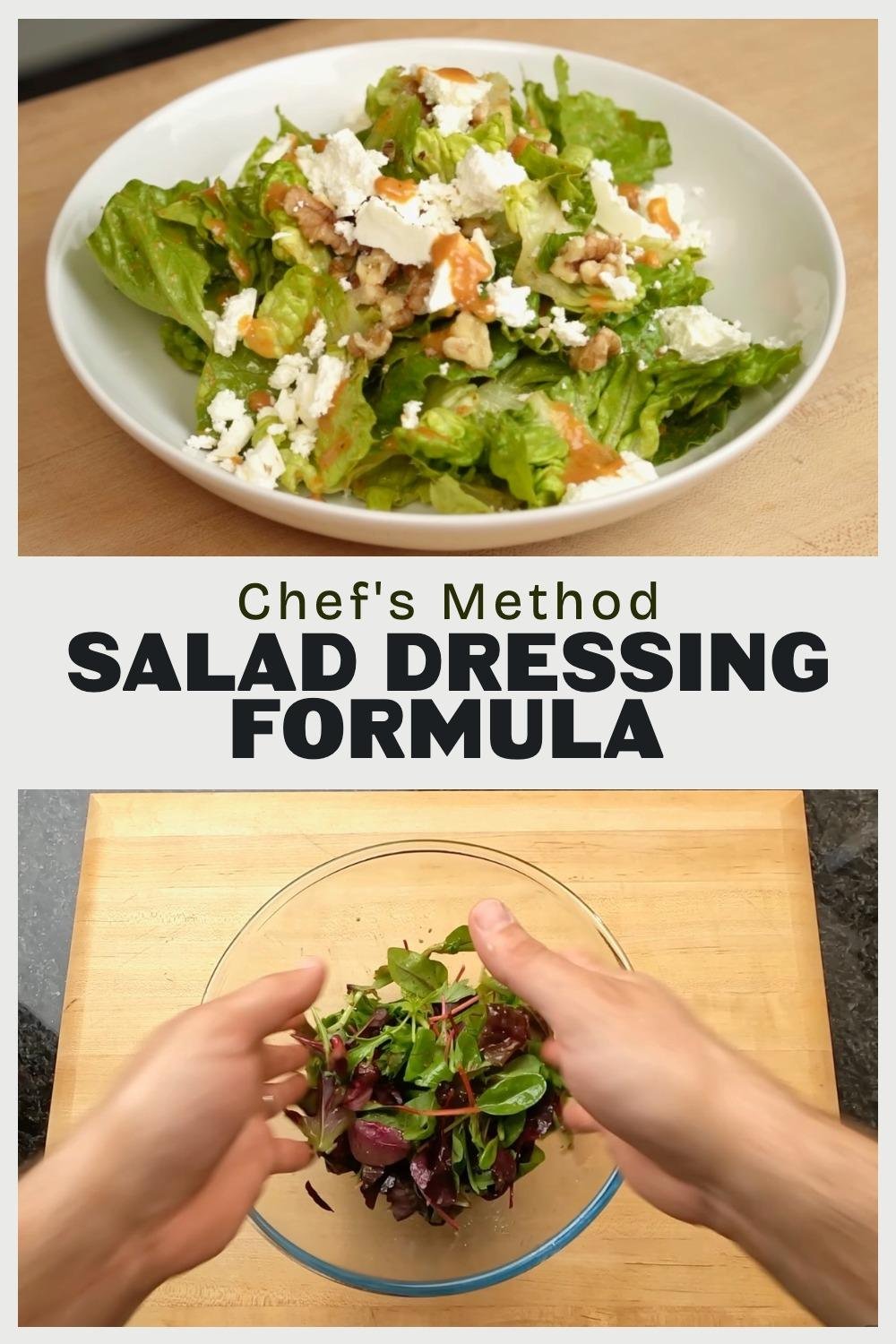
As basic as it sounds, there’s real method here that most people skip, and it makes a genuine difference to the finished salad. Start by seasoning the leaves themselves with a little salt and pepper before any dressing goes anywhere near them, restaurants do this and most home cooks don’t. Seasoning in layers like this is a big part of why my restaurant-plated Greek salad tastes so balanced. Then add the dressing in a small amount around the edge of the bowl rather than pouring it straight over the leaves, and gently toss it through with your hands rather than tongs, which tend to bruise young, tender leaves.
This method uses noticeably less dressing than pouring it over a plated salad, and coats every leaf far more evenly so you don’t get dry mouthfuls followed by an overdressed one. Tender, delicate leaves only really hold up to oil-and-vinegar-based dressings like these; something sturdier like kale can take a heartier, creamier dressing. Cabbage is sturdy too, which is why my two better slaws can take a punchier dressing.
Different Salad Dressings: Which Leaves Suit Which
The three dressings in my video sit at different points on that spectrum, and the further you move towards creamy, the sturdier the leaf needs to be. Each one has its own full recipe.
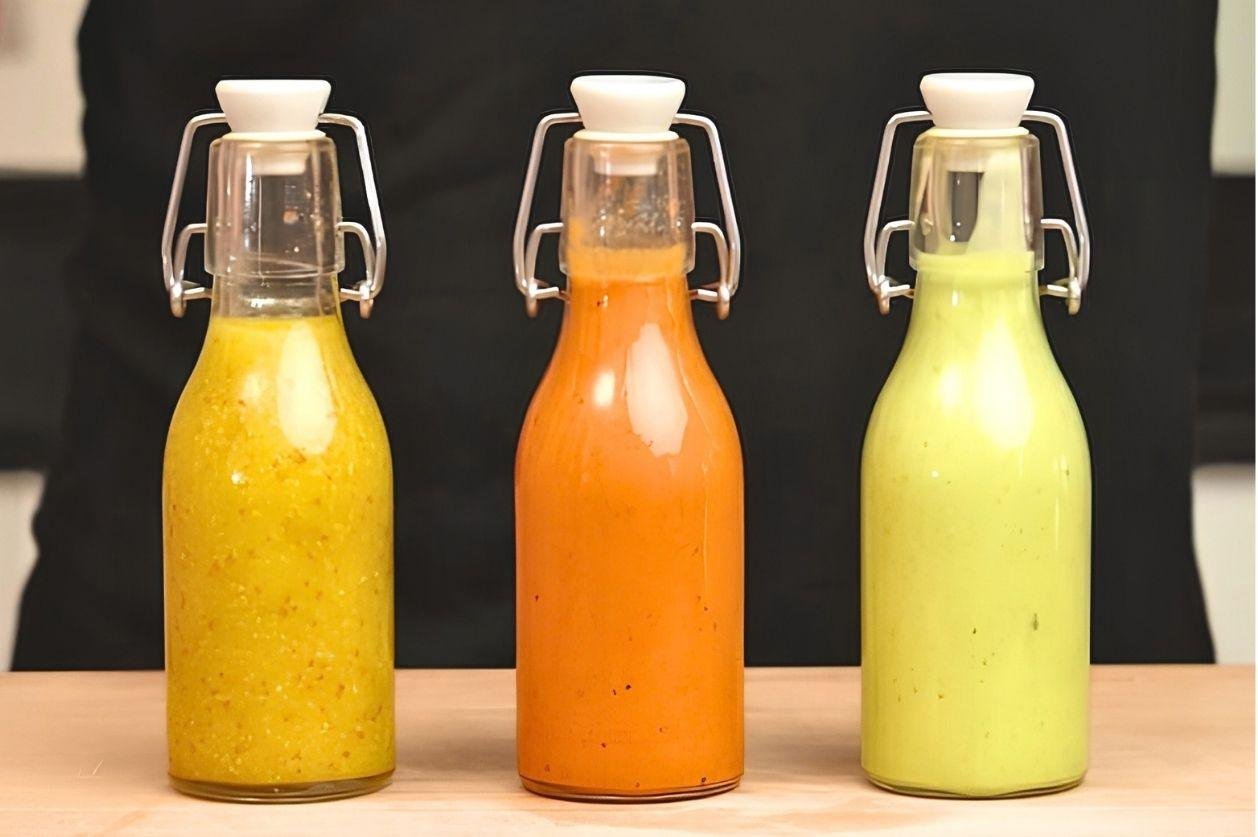
Light and acidic: French vinaigrette
Honey, wholegrain mustard, white wine vinegar and olive oil, whisked by hand. It suits young, tender leaves and keeps in the fridge for about a month. Get the full recipe for my French vinaigrette.
In the middle: sun-dried tomato and garlic
Blended with a stick blender, with more body. It needs hardier, crisper leaves like Roma and little gem, and lasts around a week in the fridge. Here is my sun-dried tomato and garlic dressing.
Rich and creamy: avocado
Avocado, lemon, garlic and chives with a neutral oil. It needs a robust leaf like kale, and it starts to lose its freshness after 48 hours. Here is my avocado dressing.
How to Emulsify a Salad Dressing: Whisk or Blender?
For the classic vinaigrette I stick to a bowl and a whisk, slowly streaming in the oil while whisking constantly. A liquidiser or stick blender will emulsify a dressing faster, but extra-virgin olive oil can turn bitter if it’s blended too hard or for too long, and it’s not always predictable which oils this happens with. For the heartier, bolder-flavoured dressings, where a food processor or stick blender’s speed doesn’t put delicate olive oil flavour at risk, a high-sided container and a stick blender is my go-to, it’s quick and easy to control the mess. The same balance of extra virgin and neutral oil keeps my chimichurri sauce from turning bitter.
Whichever method you use, taste the dressing using an actual salad leaf rather than a spoonful, dipping a leaf in gives a much better idea of how it’ll actually taste once it’s tossed through a salad than tasting it straight. Try it on my courgette ribbon salad and you’ll see how much difference it makes.
What ratio of oil to acid should I use in a homemade dressing?
A good starting benchmark is 3 parts oil to 1 part acid (vinegar, lime or lemon juice). It’s a ratio to adjust from rather than follow exactly, if you like your dressings sharper, add a little more acid and taste as you go.
Why did my salad dressing split instead of emulsifying?
With a whisked dressing, this usually happens when the oil is added too quickly. Stream it in slowly while whisking so it has time to combine properly. The exception is a wet, blended dressing like my sun-dried tomato one, where the oil can go in all at once because there is plenty of wet ingredient to emulsify it.
Should I use a whisk or a blender to make salad dressing?
A bowl and whisk works for any dressing, and it’s the safer choice for ones built on extra-virgin olive oil, since high-speed blending can turn it bitter, though not every olive oil does. A stick blender or food processor is quicker for heartier, bolder dressings where that risk doesn’t apply.
Why season the salad leaves before adding the dressing?
Seasoning the leaves themselves with salt and pepper first, before any dressing goes on, is a step most home cooks skip but restaurants don’t. It seasons the salad more evenly than relying on the dressing alone to carry all the flavour.
Why toss a salad with your hands instead of tongs?
Tongs tend to bruise and break young, tender salad leaves. Tossing gently by hand, with a small amount of dressing added around the edge of the bowl rather than poured over the top, coats every leaf evenly while using noticeably less dressing.
How long does homemade salad dressing last in the fridge?
It depends on the dressing. A light vinaigrette like my French one lasts about a month, a blended sun-dried tomato and garlic dressing around a week, and a creamy avocado dressing starts to lose its freshness after about 48 hours.