
Fondant Potatoes Recipe: The Easy Stove Top Method
Last updated on October 17th, 2026
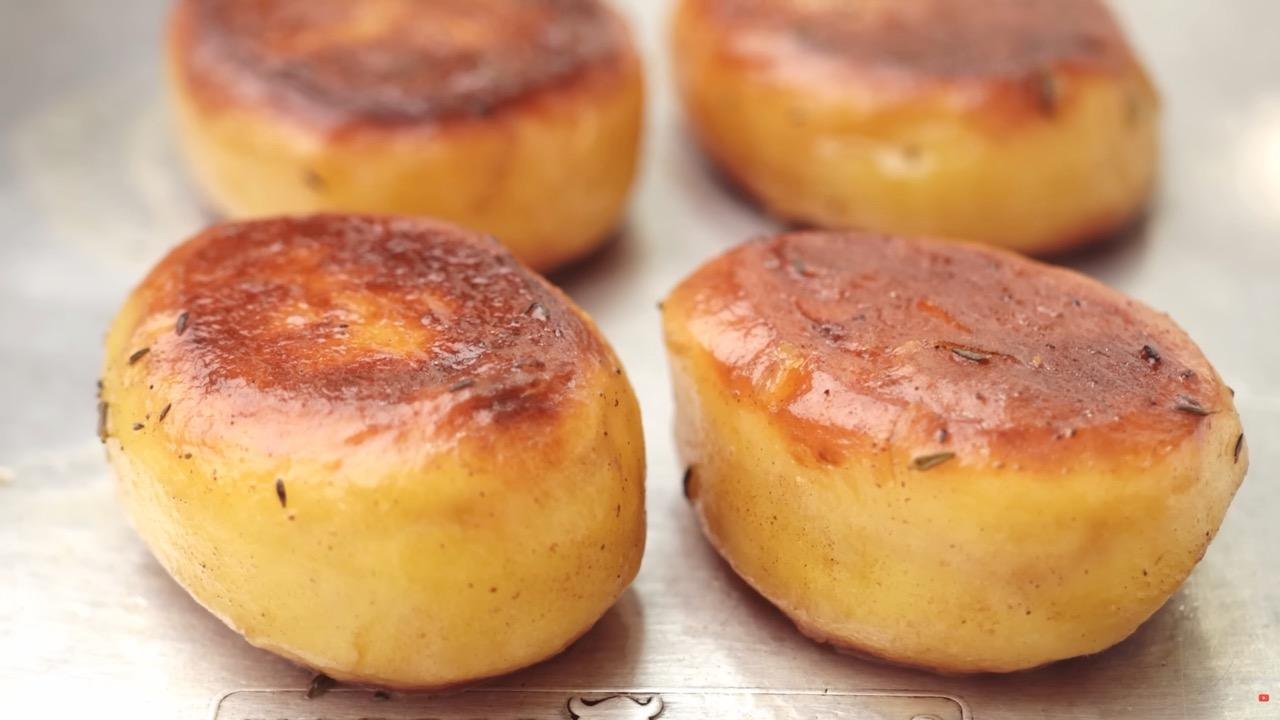
Fondant potatoes (pommes fondant in French) are potatoes browned hard in a pan, then finished in stock until they’re buttery and soft in the middle with a crisp, caramelised flat edge. They have a reputation as a complex dish, but in reality they’re very easy, if you follow the right steps!
So as well as being difficult the general consensus is fondant potatoes can have a disappointing texture, and this gets people asking themselves “Are they worth making?”
But today, in this blog post, I’m going to challenge these beliefs as well as simplifying the method with a few simple tricks to make this an accessible recipe for every home cook.
At one point in my career I was making fondant potatoes every day, so you could say I’ve had a little practice.
I’m also going to troubleshoot the areas in the recipe where I see home cooks overlooking some of the important little details. They’re the perfect partner for a rich braise like my family beef bourguignon.
How to Cut Fondant Potatoes: 3 Ways (and How Much They Waste)
The traditional method uses a ring cutter on a potato just a little bigger than the cutter itself, trimming the top and bottom flat, then peeling off the hard, angled corner around the edge, that corner tends to overcook and burn if you leave it. It gives you a perfect round shape, but it wastes a lot of potato in the trim.
A better option is to pick a round potato big enough for a couple of portions, slice the tapered top and bottom off, then cut the middle section into however many portions it’ll give you before peeling and rounding the edges. It roughly halves the wastage of the traditional method while still giving you two evenly sized portions with a good flat surface for frying.
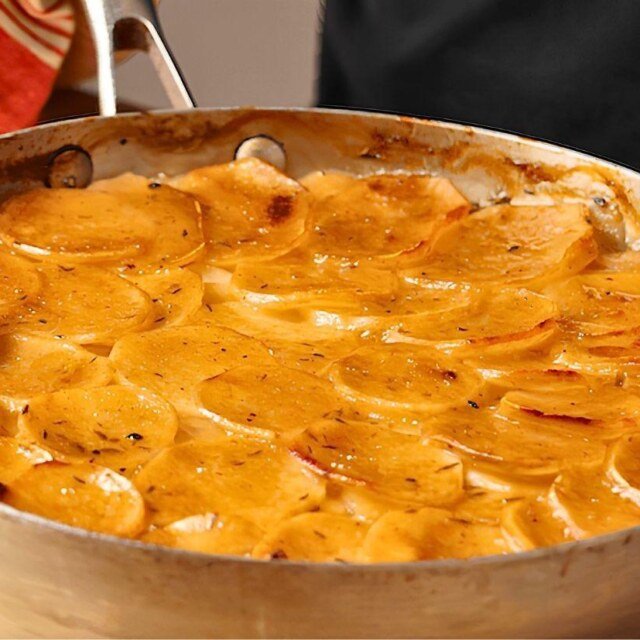
My favourite method wastes the least of all three, take two potatoes just a little bigger than the fondant you want, trim a little off the top and bottom to create flat edges, then peel around to leave a neat puck of potato. The trade-off is a smaller flat surface area to caramelise, so slightly less depth of flavour from browning, but for home cooking the reduced waste is usually worth it. If you’ve got more potatoes and time, my French boulangère potatoes use the same stock-cooked idea in layers.
How to Cook Fondant Potatoes: Brown Hard, Then Simmer in Stock
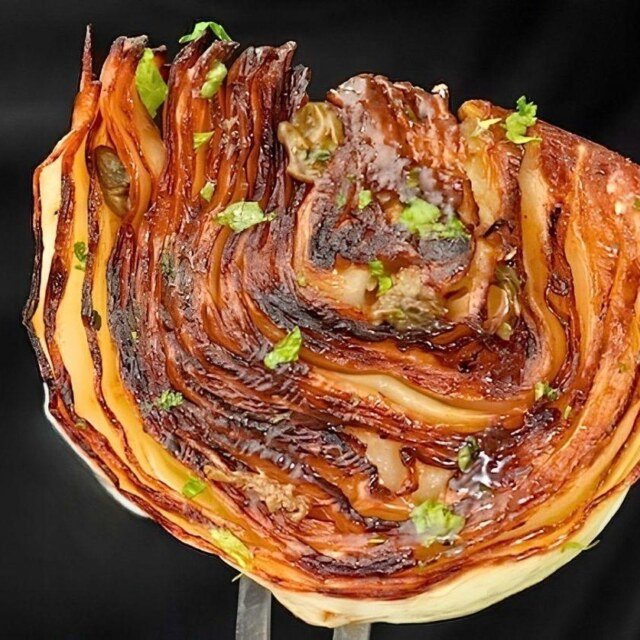
Here’s the secret: colour the potatoes harder than feels right before the stock goes anywhere near them. Heat a pan to medium-high with a little oil or fat, traditionally beef dripping, and let it heat through so the raw potato doesn’t stick. The same colour-first approach works brilliantly on charred cabbage wedges. If you’re tracking multiple cuts, arrange them like a clock face so you know which is which as they cook. From here it’s just a matter of regularly moving, turning and flipping them so every flat side browns as evenly as possible, this takes patience but it’s worth it.
Here’s the part most home cooks get wrong: you need to brown the potatoes further than you think looks right. Once the stock goes in later, a lot of that colour washes off the submerged side, so what looks nicely golden in the pan can end up pale and uncoloured by the time it’s cooked through. Push the browning further than feels comfortable, and once it’s deep and even, add the butter along with a few cloves of garlic and a couple of sprigs of thyme, nestled into the fat so their flavour infuses as the potatoes finish colouring gently. For extra depth, swap the plain butter for a slice of truffle and shallot compound butter.
Then add stock to come just above halfway up the potatoes, season it with salt here, this is your one chance to season the potato itself, cover with a lid, and let it gently simmer rather than boil. A fresh vegetable stock works well if you want to keep them vegetarian. Flip everything halfway through the cooking time, you’ll see the hard seal on the side that’s been in the stock has softened and lightened compared to the side still exposed to the air, which is exactly why you want to overshoot the browning earlier.
How to Reheat Fondant Potatoes (The Restaurant Trick Most Home Cooks Skip)
Restaurants don’t cook fondant potatoes start to finish and send them straight to the table, the whole process above is done in advance, then when an order comes in they brush a little stock or fat over the top and flash them under a hot oven for a few minutes before plating. This crisps the outside back up and reawakens that golden crust so it isn’t soft or soggy.
This step never makes it into most recipes, so home cooks skip it without realising, and it’s a big part of why homemade fondant potatoes can come out texturally disappointing compared to a restaurant version. Once they’re plated, a spoonful of silky homemade pan sauce finishes them beautifully. It’s a genuinely small extra step, brush, then 5 to 10 minutes in a hot oven, but it makes a real difference to the finished texture. Serve them alongside a perfectly reverse-seared steak for a restaurant plate at home.
Frequently Asked Questions
Which potato-cutting method wastes the least?
Cutting two fondants from two potatoes just slightly bigger than the size you want, trimming the top and bottom flat and peeling round the edge, wastes the least. The trade-off is a smaller flat surface for browning, so slightly less depth of caramelised flavour than the traditional ring-cutter method.
How long do fondant potatoes take to make?
About half an hour on the hob. In my test they took 5 to 10 minutes of frying and 22 minutes simmering in the stock. If you’re finishing them for serving, add 5 to 10 minutes in a hot oven.
Why do my fondant potatoes look less golden once they’re out of the stock?
A lot of the colour you build up during frying washes off the side that’s submerged in the stock as it simmers. That’s completely normal, and it’s exactly why you should brown the potatoes further than looks right before the stock goes in, so there’s still a good crust left once some of it washes away.
Can I fry them in butter instead of oil?
Not at the frying stage, butter burns at the high heat needed to get a deep crust, so start with a neutral oil or a traditional fat like beef dripping. The butter comes in afterwards, once the potatoes already have good colour, to cool the pan slightly and carry the garlic and thyme flavour.
What stock should I use for fondant potatoes?
Match it to what you’re serving them with. A beef stock (with beef dripping to fry) gives a deep, robust flavour that pairs well with a beef main, while a lighter stock like chicken makes the potatoes more versatile if you’re not sure what they’ll be served alongside.
Can you make fondant potatoes ahead of time?
Yes, that’s how restaurants do it. They cook the potatoes fully in advance, then brush a little stock or fat over the top and flash them in a hot oven for 5 to 10 minutes once the order comes in. That re-crisps the golden crust so they aren’t soggy.
Why do restaurant fondant potatoes taste and feel better than homemade ones?
Usually it comes down to one extra step home cooks skip, restaurants prepare the potatoes fully in advance, then brush a little stock or fat over them and flash them under a hot oven for a few minutes right before serving. That re-crisps the surface so it isn’t soft, a detail that rarely makes it into written recipes.

Fondant Potatoes Recipe: The Easy Stove Top Method
Equipment
- Baking / Roasting tray
- Ring cutter / Pastry ring
- Chef’s knife
- Chopping board
- Vegetable peeler
- Digital scales
- Frying pan
- Basting spoon
- Pastry brush
- Tongs
Ingredients
- Potatoes
- Oil or fat for frying not butter
- 40 g / 1.4oz butter
- 3-5 cloves of garlic
- Thyme
- 500 ml – 1000ml of stock depends on how big your pan is and how many potatoes you’re cooking (Beef, chicken, veal, etc)
- Salt
Instructions
- See the video for the three methods for preparing the fondants, there's a traditional way that's a bit wasteful, plus two less wasteful methods that still give great results.
- Heat a pan to medium-high and add a dash of oil (or a preferred fat like beef dripping). Once the oil is hot, place the potatoes in the pan.
- Move and turn the potatoes regularly to ensure even browning, frying until the surfaces are deep golden brown.
- Add about 40g of butter to the pan along with the garlic and a couple of sprigs of thyme. Cook for 1-2 minutes, ensuring the garlic and thyme are nestled in the butter to extract flavour.
- Add chicken stock (or your preferred stock) to the pan until it reaches halfway up the potatoes, and season with salt as needed. Bring to a gentle simmer (not a boil), cover with a lid and cook for 10 minutes, then flip the potatoes and cook for another 10-15 minutes. (These fondants took 22 minutes in total in the stock, this will vary recipe to recipe.)
- Once cooked, baste the top layer with the remaining stock. Check doneness by inserting a knife, there should be slight resistance but no hardness.
Video
Nutrition
Nutrition Facts
| Total Fat | 9.6g |
| Saturated Fat | 5.2g |
| Cholesterol | 21.5mg |
| Sodium | 336mg |
| Total Carbohydrate | 27.4g |
| Dietary Fiber | 3.4g |
| Sugars | 1.2g |
| Protein | 3.5g |
| Potassium | 683mg |

I’ve never had a fondant potato as far as I can remember (maybe I had one as a child living in England). Your recipe sounds terrific, and I’m looking forward to making them – and eating them (an interesting way to enjoy one of my favorite foods)! Thanks for the professional tips you give in your video, like making them ahead of time and roasting them in a hot oven just before serving them. I would love to know how long ahead of time your restaurant does the first steps and whether they can/should be refrigerated before the last finishing step. Also, what temperature oven is best? Also, I liked your comment that you crush the garlic cloves but leave them in their skins to protect them from burning in the hot fat (step 3).