
Cabbage Cooking Trick: Charred Wedges With Brown Butter
Last updated on October 17th, 2026
This isn’t your usual cabbage recipe, that’s because this recipe is all about bending the rules by taking an ordinary set of ingredients and making something extraordinary.
So the popular consensus is cabbage is boring and nothing can be done to really change that, but I want to challenge that belief with this particular recipe.
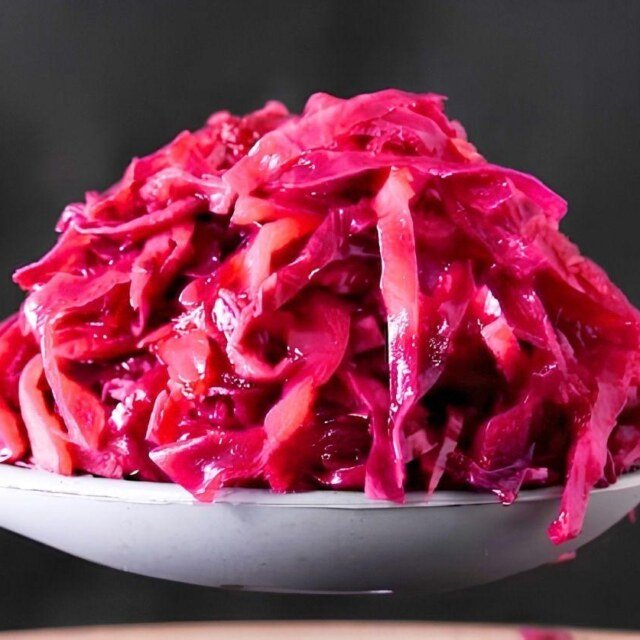
I decided to take some inspiration from classical French cooking techniques and apply them to this humble cabbage. It’s a world away from the slow braise I use for Christmas red cabbage, but both prove cabbage deserves far more attention than it gets.
This recipe is anything but boring, the cabbage has a deep, naturally sweet flavour, the texture in the centre is buttery. The best thing is this recipe isn’t complicated, it comes together quick, uses one pan and doesn’t require too much knife work.
So in this blog post I’m going to share these simple steps with you, including all the little details so you can go and make cabbage that people crave!
How To Cut And Char Cabbage Wedges For Deep Flavour
The first step is all about how you cut the cabbage. I want to maximise the amount of flat surface area so it can come into contact with the base of the frying pan as much as possible: this gives the most even char, which in turn gives the biggest boost to flavour. I rock the cabbage around until I find its most stable surface, then cut the root section in half. You only need half a large cabbage to get four hearty portions, so I continue cutting that half into wedges, doing my best to keep the root intact on each one. That root holds the layers together, which matters because this recipe involves a lot of flipping and moving in the pan. Season with salt and leave the wedges to sit for 5 minutes so the salt starts to draw out and concentrate their natural flavour. Salt does exactly the same job raw in my apple and dill slaw, pulling out water so the flavour concentrates.
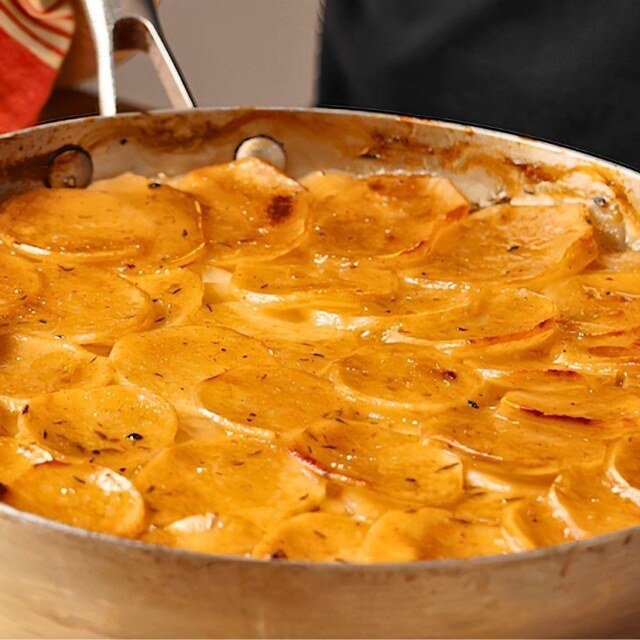
For the frying stage, start with the pan on a medium-high heat and just a splash of oil: too much fat here works against you, since it stops the cut surfaces from charring properly. It’s the same reason I only use a thin film of oil when searing my budget chuck steak. The wedges will be a tight fit at first, but they shrink as they cook, so there’s soon more room to move them. Keep an eye on how dry the pan looks and add a touch more oil only if it’s charring too fast in places; a little charring is exactly what you want, so it’s a balancing act. Flip, move, and spin the wedges regularly so as many different cut faces touch the hot pan as possible. You’re not trying to cook the cabbage through at this stage: only to colour the surfaces evenly, the same principle used for fondant potatoes, where caramelising comes first and cooking through comes later with added liquid. If you want to see that principle in full, my guide to fondant potatoes the easy way walks through the colour-first, liquid-second method step by step.
How To Braise Cabbage, Then Make The Lemon And Caper Brown Butter
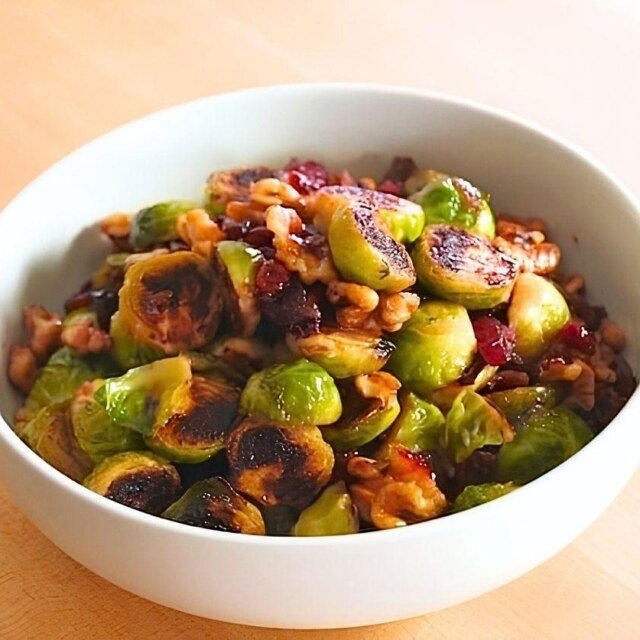
Once the wedges have good colour on the outside, it’s time to actually cook them through. Add a small pat of butter, around 10 to 15g, and tilt the pan so it runs underneath all the wedges: this adds richness and also calms down the high heat from charring. Follow with a shot of water, which creates steam to gently cook the cabbage to the centre, stops the bases from caramelising further, and keeps the butter from burning. Lid on, and braise for 5 to 8 minutes on a medium heat. Brussels sprouts love the same char-then-dress treatment, as you’ll see in my charred Brussels sprouts with cranberry. After that the cabbage will look nicely cooked but a little soggy, so remove the lid and keep frying until the water evaporates and you can hear frying again: this re-crisps the edges and brings the texture back to where you want it.
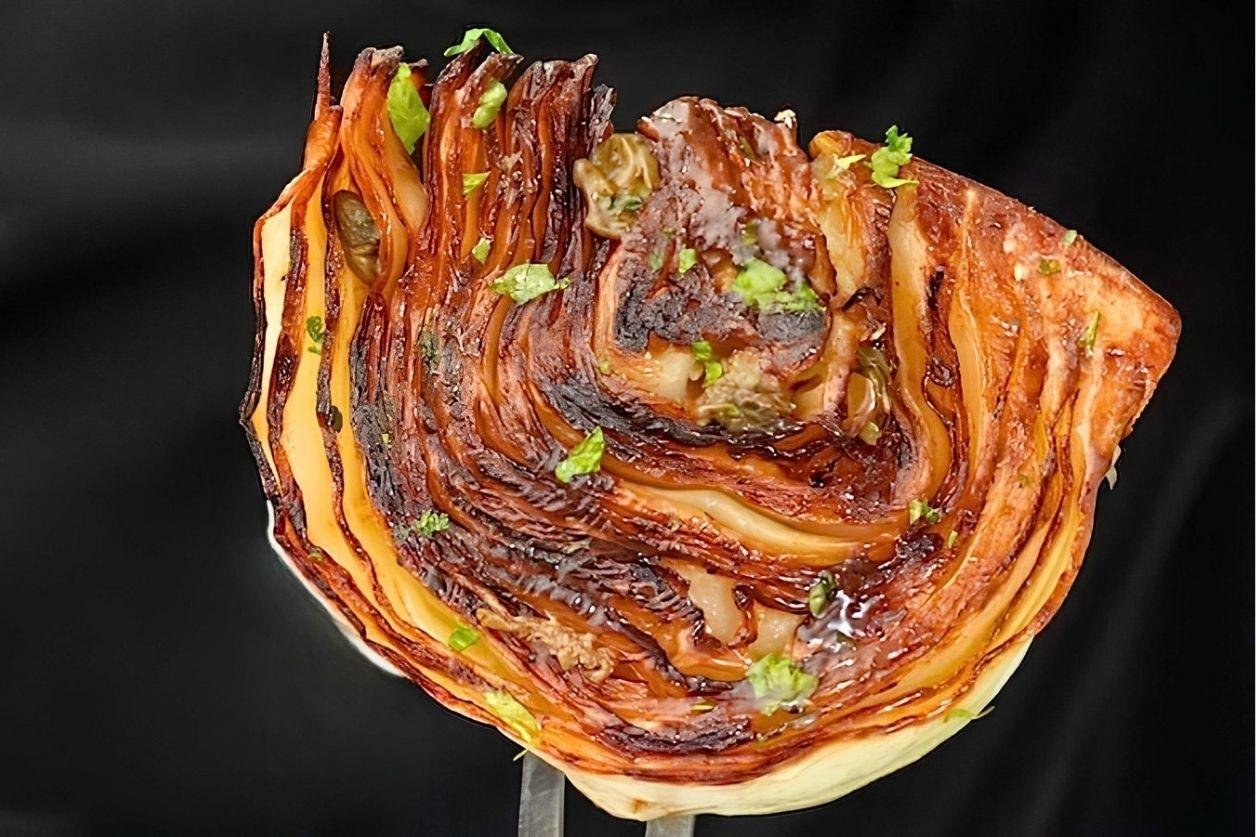
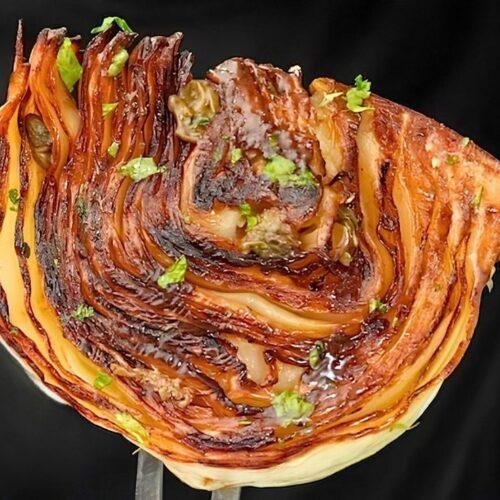
Remove the cabbage from the pan and make the sauce: a lemon and caper beurre noisette, also known as a brown butter sauce. Brown butter is one of those flavour boosts worth having on standby, much like the chef-style compound butters I keep rolled up in the freezer. First wipe out any seriously charred bits left in the pan (a non-stick pan should leave little to none). Add a bit more butter, around 20 to 30g, over a medium-high heat, moving or stirring constantly. You’ll see parts of it start to darken and turn brown as it picks up flavour from the base of the pan: once it’s past the foam stage and browning steadily, that’s where the real flavour comes from, so let it get properly to that point. Stir in a dessert spoon of capers, then the juice of half a lemon, which adds acidity and cools the sauce slightly to stop the butter overcooking. Work quickly here so the butter doesn’t burn. Finish with chopped parsley and a hit of black pepper. If you’re using salted butter you won’t need extra seasoning; with unsalted butter, season the sauce lightly before dressing the cabbage. The result is charred on the outside, buttery and sweet on the inside, with the sauce tying the whole dish together. Serve it next to something rich like a crispy-skinned duck breast and the lemon and capers cut straight through it.
Why char the cabbage before braising it?
Charring the cut surfaces first builds a deep, caramelised flavour that braising alone can’t produce. Frying the wedges hot and mostly dry colours the surfaces, then braising with butter and a little water finishes cooking the centre through without losing that char.
How do I cut cabbage wedges so they hold together in the pan?
Halve the cabbage through the root, then cut each half into wedges while keeping a piece of the root attached to every wedge. The root anchors the layers together so the wedges survive the flipping and moving needed to get an even char.
What is a beurre noisette or brown butter sauce?
Beurre noisette is butter cooked past the foaming stage until the milk solids turn golden brown, giving it a deep, nutty flavour. Here it’s finished with capers and lemon juice, which add acidity and stop the butter from overcooking further.
Why does the pan need to stay fairly dry when charring the cabbage?
Too much oil in the pan stops the cut surfaces of the cabbage from charring properly. A light coating is enough to prevent sticking while still letting the wedges colour rather than steam.
Can this charring and braising method work with other vegetables?
Yes, the same two-stage approach of caramelising the surface first, then braising with a little liquid to cook through, works well on other dense vegetables like fondant potatoes, where the same sequence of colouring before cooking through gives the best result.
Cabbage Cooking Trick: Charred Wedges With Brown Butter
Equipment
- Chef’s knife
- Chopping board
- Measuring spoons
- Shot glass / Measure
- Frying pan
- Serving plate / Platter
- Tongs
Ingredients
- 1 kg cabbage (half of a 2 kg head)
- 10-20 ml Olive oil
- 30-45 g of butter
- Dessert spoon of capers
- A small handful of parsley
- 1/2 a lemon
- Salt and pepper
Instructions
- Cut the cabbage in half through the root, then cut one half into four wedges, keeping the root intact on each wedge so the layers hold together. Season with salt and leave the wedges to sit for 5 minutes.
- Heat a frying pan over medium-high heat and add a splash of oil (about a dessert spoon).
- Place four cabbage wedges in the pan. If they fit snugly, they’ll shrink as they cook. Monitor the oil level and add a touch more if the pan looks dry or the cabbage is charring unevenly.
- Regularly flip, move, and spin the cabbage wedges to achieve an even char on all sides. The goal here is to brown the cabbage, not cook it through.
- Once the cabbage wedges are evenly browned, add a small pat of butter (10-15g) and move the pan to spread it beneath the cabbage. Add a small shot of water to create steam and prevent the butter from burning.
- Cover the pan with a lid (improvise if needed) and cook for 5-8 minutes over medium heat (setting 5 out of 9 on induction).
- Remove the lid and cook for another 1-2 minutes until the water evaporates and you hear a frying sound. This re-crisps the cabbage edges. Remove the cabbage from the pan and set aside.
- Wipe out any heavily charred bits from the pan.
- Add 20-30g of butter to the pan and melt it over medium-high heat, stirring continuously until it turns a rich golden brown colour.
- Add a dessert spoon of capers and the juice of half a lemon to the pan. This cools the sauce slightly and balances the flavour. Continue cooking for 1-2 minutes to enhance the caper flavour.
- Remove from heat and season if using unsalted butter (salted butter needs no extra seasoning). Stir in some chopped parsley and a pinch of black pepper to finish.
- Pour the lemon and caper beurre noisette over the cabbage wedges and enjoy this rich, tangy dish as a perfect side or light main course.
Video
Nutrition
Nutrition Facts
| Total Fat | 11.4g |
| Saturated Fat | 5.4g |
| Cholesterol | 20.2mg |
| Sodium | 200.4mg |
| Total Carbohydrate | 15.3g |
| Dietary Fiber | 6.5g |
| Sugars | 8.2g |
| Protein | 3.5g |
| Potassium | 455.7mg |

Great recipe for Cabbage. Thanks for your posts.
Thank you! This is delicious. Came across your post when I was looking for an interesting way to cook cabbage as a main course, had all the ingredients available and voila! I will be making this again.