Leek Gratin Recipe: My Mum’s Make-Ahead Christmas Side
Last updated on October 13th, 2026
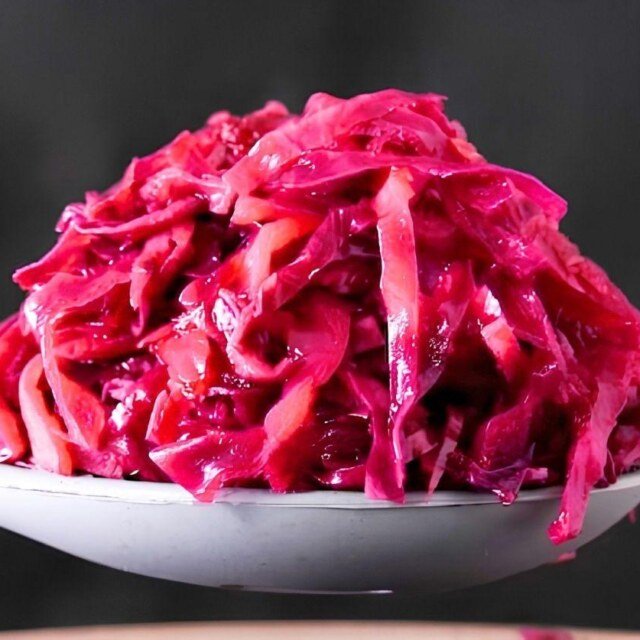
This is a family recipe, it’s something my Mum makes every year for Christmas, and it’s always the first dish on the table to get finished. It sits alongside my stovetop braised red cabbage every Christmas.
What I love about this recipe is, it can be made ahead of time, it comes together quickly and easily, and it’s a crowd-pleaser. Like my slow-cooked beef bourguignon, it’s a dish that’s even better made ahead.
Everyone always wants more! It’s also the perfect side for a juicy golden roast chicken.
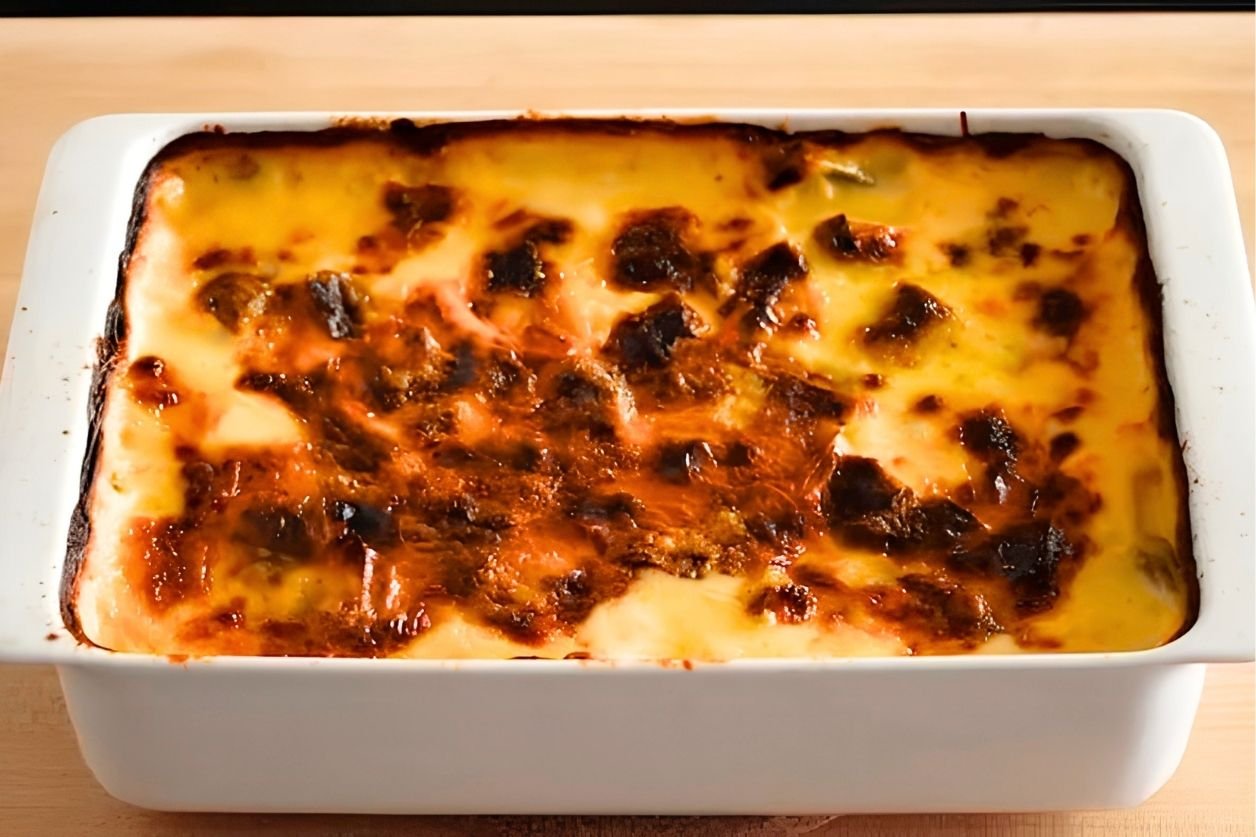
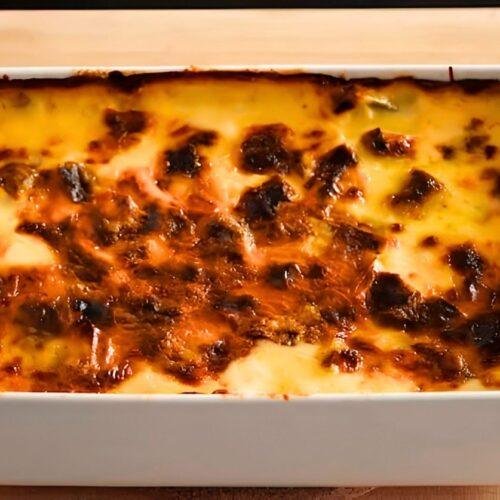
This is a creamy leek gratin, or leeks au gratin if you prefer the French name, made with a mature cheddar béchamel.
How Do You Clean Leeks For A Gratin?
Getting this step right is what keeps grit out of the finished dish. Leeks almost always have grit and dirt sandwiched between their layers, so cleaning them properly matters more than people think. Start by peeling off the dry outer layer and trimming any dried-out tops, then split each leek down the middle while keeping the root whole so it stays together, and cut across into reasonably chunky slices. Don’t wash the leeks before this cut: slicing first is what exposes the dirt hiding between the layers so the water can actually reach it.
Dunk the sliced leeks into a large bowl of water and agitate them well to dislodge the grit, then leave them to sit for 10 to 15 minutes so the dirt settles to the bottom. The key detail is having plenty of water so the leeks float rather than touch the base of the bowl, because that separation is what lets the dirt fall away cleanly instead of staying trapped against the leeks. From there, scoop the leeks out with a slotted spoon rather than pouring them through a colander, leaving the grit behind in the water. Boiling the leeks briefly in well-salted water afterwards works as a second cleaning stage as well as a cooking stage, using the same principle: plenty of water gives any remaining dirt somewhere to settle below the leeks. Leeks need exactly the same care in the creamed leek filling for my savoury buckwheat galettes. Cook them for around 5 minutes just to soften slightly, since they’ll finish cooking later in the oven, then transfer them straight into a bowl of cold water to stop the cooking. If I served you gritty leeks in a restaurant you wouldn’t be happy, so these steps are fail safes for a good eating experience.
Making A Lump-Free Béchamel With Cold Milk
The sauce is a béchamel, or white sauce, made using a 1:1:10 ratio: equal parts butter and flour, then ten times that amount of liquid in milk. This gives a slightly thicker sauce that loosens to the perfect consistency once mixed with the leeks. Melt the butter gently, whisk in the flour, and cook that roux out for a few minutes over a gentle heat until it smells like cooked biscuits, a good sign it’s ready for the milk.
Rather than warming the milk separately first, add it cold, straight from the fridge, in small batches. Start with a dash, around 100ml, and let it heat on the base of the pan for a moment before stirring it in until smooth. Add the next batch, a little more than the last, and give it time to come up to temperature before whisking it in. A short 30 seconds or so is usually enough once the base of the pan has lost some heat from the first addition. Keep repeating this, gradually increasing the amount each time and looking for a little bubbling around the edges as the signal to whisk in the next batch. Building the sauce this way, a bit at a time, is what guarantees a smooth, lump-free result even starting from cold milk. Once all the milk is in, let the sauce cook on a low heat for another 15 minutes to cook out the flour and thicken properly, checking every 5 minutes so it doesn’t catch on the base of the pan.
Finishing the Cheese Sauce Off the Heat
Finish the sauce off the heat: stir in a heaped teaspoon of wholegrain mustard, which lifts the flavour of the cheese without tasting of mustard itself, then season with salt and black pepper before adding the grated mature cheddar. The stronger the cheddar, the better the sauce. Mixing the cheese in off the heat matters: cheese, particularly strong cheddar without emulsifying agents, can split if it’s exposed to direct heat, and there’s enough residual warmth in the sauce to melt it through gently. Mature cheddar brings the same punch to the topping on my Welsh rarebit with tomato soup. Adding the cheese off the heat is something I was taught in my first year in a professional kitchen, and I have never skipped it since.
Make-Ahead Leek Gratin for Christmas Dinner
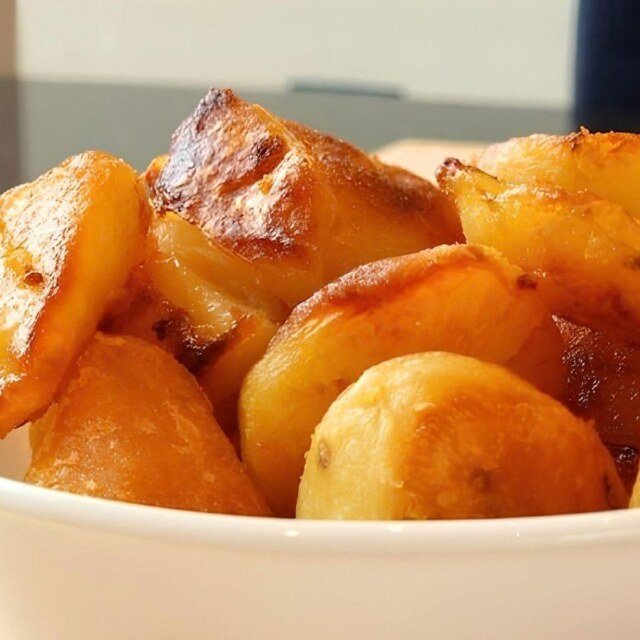
Once the sauce tastes right, fold in the drained, cooled leeks and mix thoroughly so everything is evenly coated, then transfer to an ovenproof dish. It can be baked straight away until golden on top, or chilled and finished over the following day or two: if it’s going into the oven cold from the fridge, allow at least an hour at 180°C, or up to an hour and a half if the oven is busy with other dishes. It’s a great partner for stock-baked boulangère potatoes, which can happily share the oven.
Nothing much changes overnight except that the gratin sets a lot more. It also holds the heat really well: mine had been out of the oven for an hour and a half, covered with a tray, and was still hot enough in the middle to serve straight to the table.
Why do you slice the leeks before washing them?
Slicing first exposes the layers where grit and dirt collect. Washing whole leeks often leaves dirt trapped between the layers, while cutting them into chunks first lets the water actually reach and dislodge it.
Why float the leeks in water instead of just rinsing them?
Floating the sliced leeks in plenty of water lets any grit sink and settle to the bottom of the bowl, separate from the leeks. If there isn’t enough water for them to float freely, the dirt stays in contact with the leeks instead of falling away.
Can you really make a lump-free béchamel with cold milk?
Yes, by adding the cold milk gradually in small batches and letting each addition warm through and bubble slightly before whisking it in. Building the sauce this way avoids the sudden temperature shock that usually causes lumps.
Why add the cheese off the heat?
Cheese, especially strong cheddar without emulsifying agents, can split or turn grainy if it hits direct heat. Stirring it in off the heat lets the sauce’s residual warmth melt it gently while keeping the sauce smooth.
Can this leek gratin be made ahead of time?
Yes, it can be assembled a day or two in advance, covered, and refrigerated, then baked straight from cold. Allow extra time in the oven, at least an hour at 180°C, since it’s starting from a chilled state rather than room temperature.
Leek Gratin Recipe: My Mum’s Make-Ahead Christmas Side
Equipment
- Baking dish
- Colander
- Mixing bowl / Bowl
- Box grater
- Chef’s knife
- Chopping board
- Digital scales
- Measuring jug
- Large pot / Stockpot
- Saucepan
- Plate / Tray
- Slotted spoon / Spider
- Whisk
- Wooden / Stirring spoon
Ingredients
- 2 large leeks
- 100 g flour
- 100 g butter
- 1 litre milk
- 300 g cheddar cheese preferably mature / sharp
- A spoonful of whole grain mustard
- Salt and pepper
Instructions
- Prepare the leeks, and clean them thoroughly (see video)
- Cook the leeks in boiling salted water, then place into cold water to cool.
- Make the bechamel sauce, using butter, flour and milk.
- Once the flour is cooked out, take the sauce off the heat and mix in the mustard, cheese, salt and pepper.
- Combine the leeks with the sauce.
- Place everything into an oven safe dish.
- Either bake straight away until the top is golden brown, or place into your fridge for up to 2 days.
- Bake when you want to serve at 180c / 355f, for around an hour (from fridge cold)
Video
Nutrition
Nutrition Facts
| Total Fat | 27.4g |
| Saturated Fat | 16.1g |
| Cholesterol | 77mg |
| Sodium | 513mg |
| Total Carbohydrate | 25.6g |
| Dietary Fiber | 1.5g |
| Sugars | 9.1g |
| Protein | 15.2g |
| Potassium | 331mg |