Christmas Side Dishes: A Chef’s Make-Ahead Plan for the Day
Christmas dinner isn’t hard because of any one dish. It’s hard because everything wants the oven at the same time. On Christmas Day I’m juggling turkey, roast potatoes, stuffing, cauliflower cheese, and the list goes on. So every Christmas side dish I make has to earn its place by being made ahead, or by cooking somewhere other than the oven, and the same goes for the gravy and the cranberry sauce.
I’ve spent 20 years cooking in restaurant kitchens and at events across the UK, catering everything from small dinner parties to full weddings. In a restaurant, anything that can be done before service is done before service, and Christmas at home works best the same way.
Every dish below has its own full post, video and recipe card. This page is the overview: where each one cooks, how far ahead you can make it, and what is left to do on the day.
How to Plan Christmas Side Dishes Around One Oven
Start by sorting the sides by where they cook. Anything that can live on the hob should, because the oven is the busiest place in the kitchen on Christmas Day. Of the dishes here, the red cabbage, the sprouts, the green beans and the cranberry sauce never need the oven at all, and the Yorkshire puddings are baked in the morning, before the oven is needed for anything else.
| Side dish | Where it cooks | How far ahead | Left for the day |
|---|---|---|---|
| Braised red cabbage | Hob, one saucepan | Up to 3 days | Reheat gently |
| Charred Brussels sprouts | Hob: blanched, then a frying pan | 1 to 2 days (sprouts blanched, dressing made, walnuts toasted) | 5 to 7 minutes charring, 30 seconds tossing |
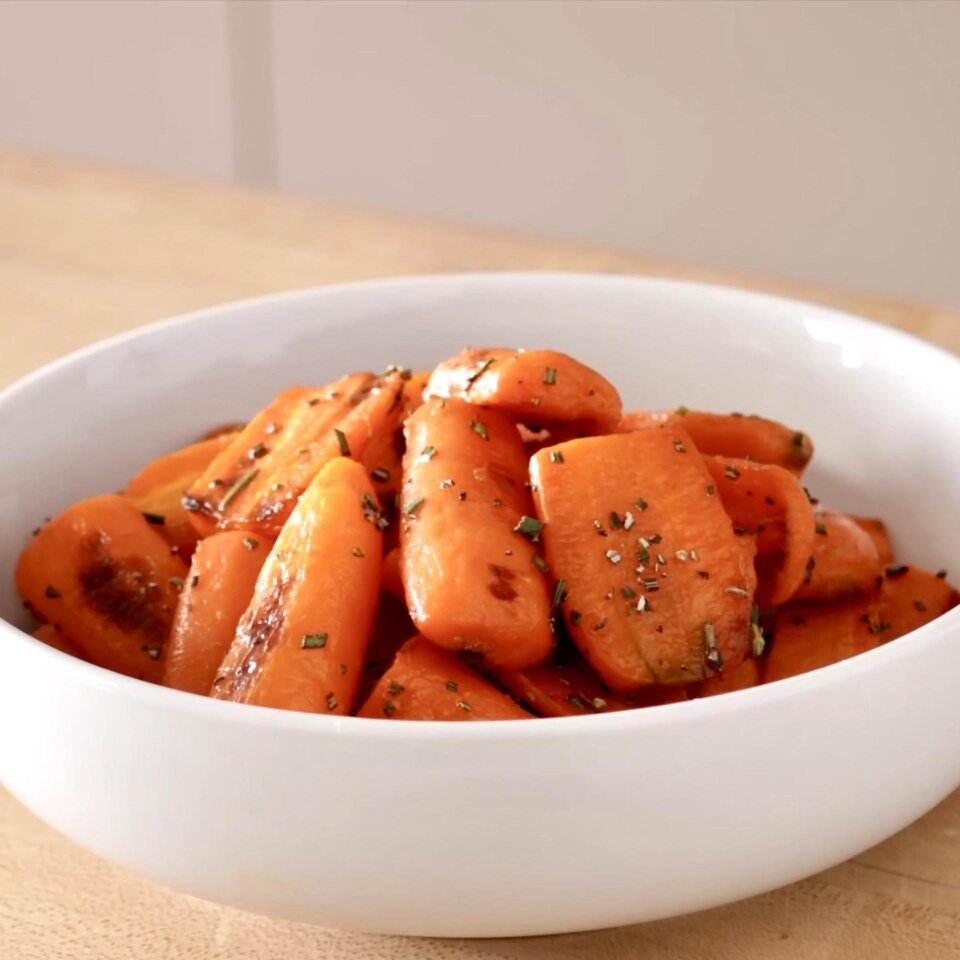
| Roasted carrots | Oven, 200°C | Roasted and glazed earlier, cooled on the tray | 5 minutes at 200°C |
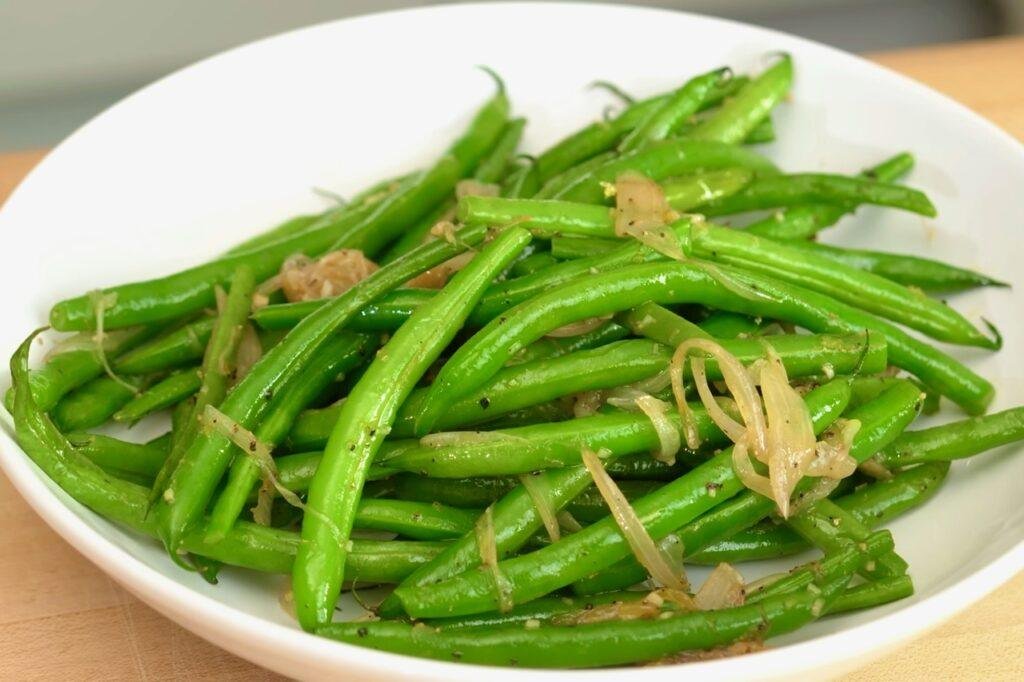
| Green beans | Hob, one frying pan | Cooked fresh | About 6 minutes |
| Leek gratin | Oven, 180°C | Assembled 1 to 2 days ahead | At least 1 hour from the fridge, up to 1.5 hours in a busy oven |
| Yorkshire puddings | Oven, 220°C then 190°C | Batter the night before, baked that morning | 5 minutes at 180°C to serve |
| Roast potatoes | Oven, 180°C | Parboiled and rested up to 2 hours ahead | Roast, flipping every 15 to 20 minutes |
| Boulangère potatoes | Oven, 160 to 170°C | Layered and baked on the day | Just over an hour at around 165°C |
| Fondant potatoes | Hob, then a hot oven | Fully cooked in advance | Brushed and flashed for 5 to 10 minutes |
| Turkey gravy | Stock in the oven at 110°C, finished on the hob | Stock made days ahead and chilled | Finished in the roasting tray while the turkey rests |
| Cranberry sauce | Hob, one pan | 1 to 2 weeks, in sterilised jars | Nothing: just spoon it out |
If you’re buying a whole bird and want to break it down yourself, the method in my guide to butchering a chicken and every other type of bird works for a turkey too.
What Christmas Side Dishes Can Be Made Ahead of Time?
Cranberry sauce can be made up to 2 weeks ahead, braised red cabbage up to 3 days ahead, and the turkey gravy stock days before. A leek gratin can be assembled 1 to 2 days ahead, Brussels sprouts blanched and dressed a day or two before, and Yorkshire pudding batter rested overnight. That leaves only finishing jobs for Christmas Day.
The plan below is built from each recipe’s own make-ahead window, so you can drop any dish you’re not making and the rest still works.
Up to 2 Weeks Before
Make the cranberry sauce and spoon it into small sterilised jars. It keeps in the fridge for 1 to 2 weeks before it starts to ferment and lose its fresh flavour.
2 to 3 Days Before
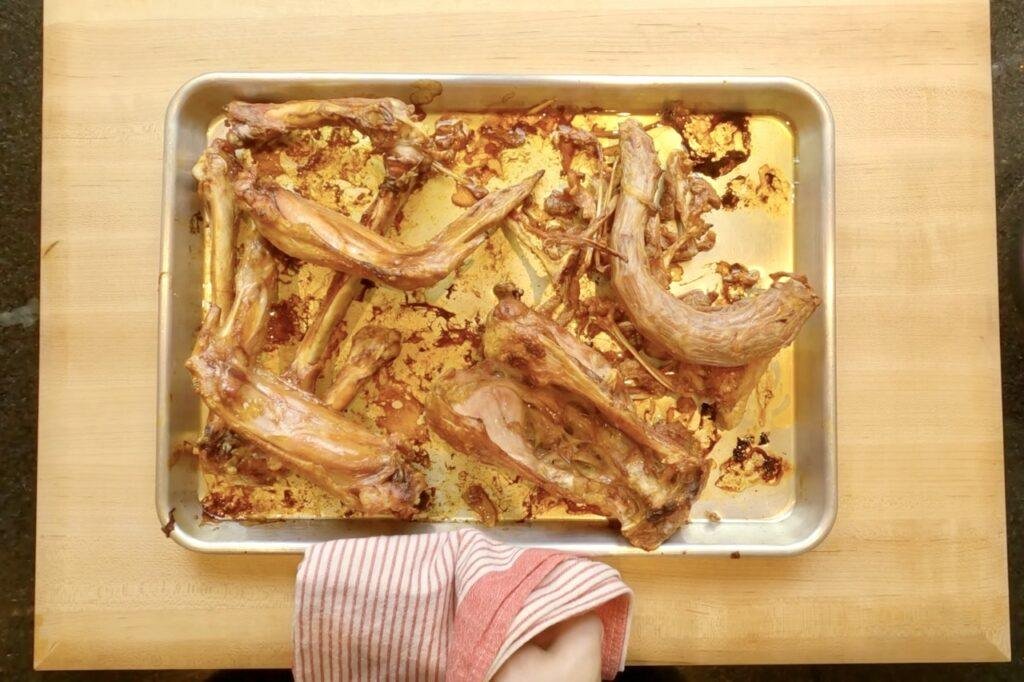
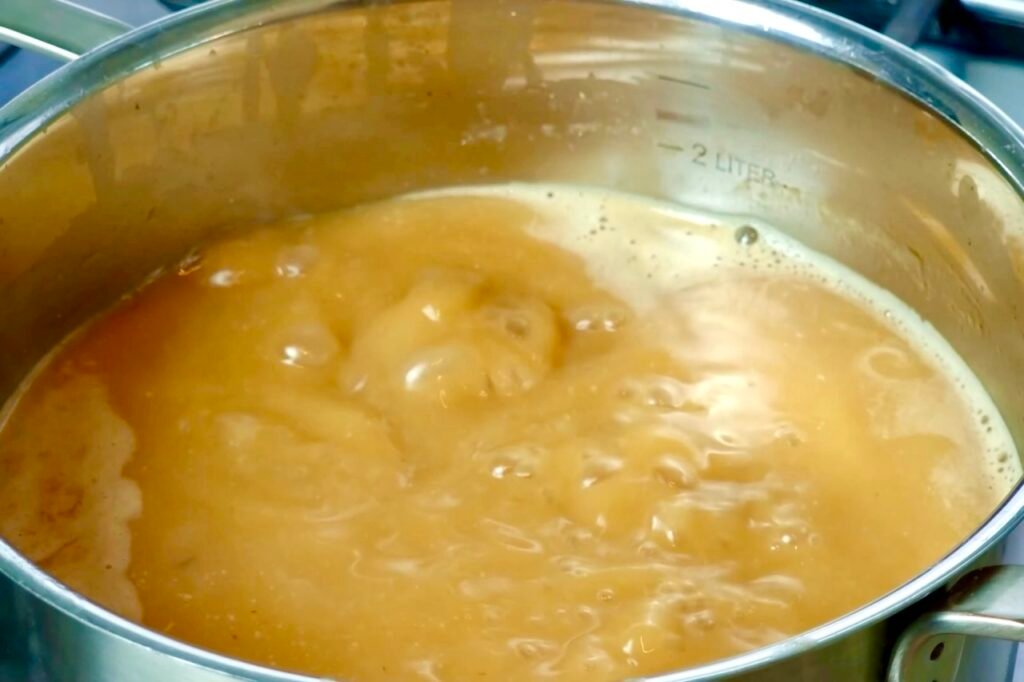
Make the red cabbage from start to finish, cool it and keep it in the fridge. It doesn’t freeze very well, so keep it to that 3 day window. This is also the time for the gravy stock: roast the turkey bones and trim hard at 220°C for at least an hour, cover them with cold water and leave the pot in the oven at 110°C overnight. Strain it, cool it and chill it. Once chilled it should be gelatinous, which is a good sign it’s packed with flavour.
1 to 2 Days Before
Assemble the leek gratin in its dish, cover it and chill it. Nothing much changes overnight except that it sets a lot more. Prep and blanch the sprouts, make their orange and cranberry dressing, and keep both in the fridge. The toasted walnuts go in the cupboard.
Christmas Eve
Make the Yorkshire pudding batter and put it in the fridge. An overnight rest of around 14 hours is what gives the biggest, most even rise.
Christmas Morning
This is my Yorkshire pudding timeline: batter out of the fridge at 8:00am, oven on at 8:45am, oil in the moulds at 9:00am and the first batch in at 9:10am. Repeat for as many batches as you need and keep them on a cooling rack. Later in the morning, peel and parboil the potatoes. Once drained, they can sit in the covered pan for up to 2 hours. If you’re making fondant potatoes, cook them fully now and set them aside.
The carrots roast at 200°C, hotter than everything else that afternoon, so you have two options. The first is to roast and glaze them now, once the Yorkshires are done, and leave them to cool on the tray. The second is in the next step.
The Last Hour and a Half
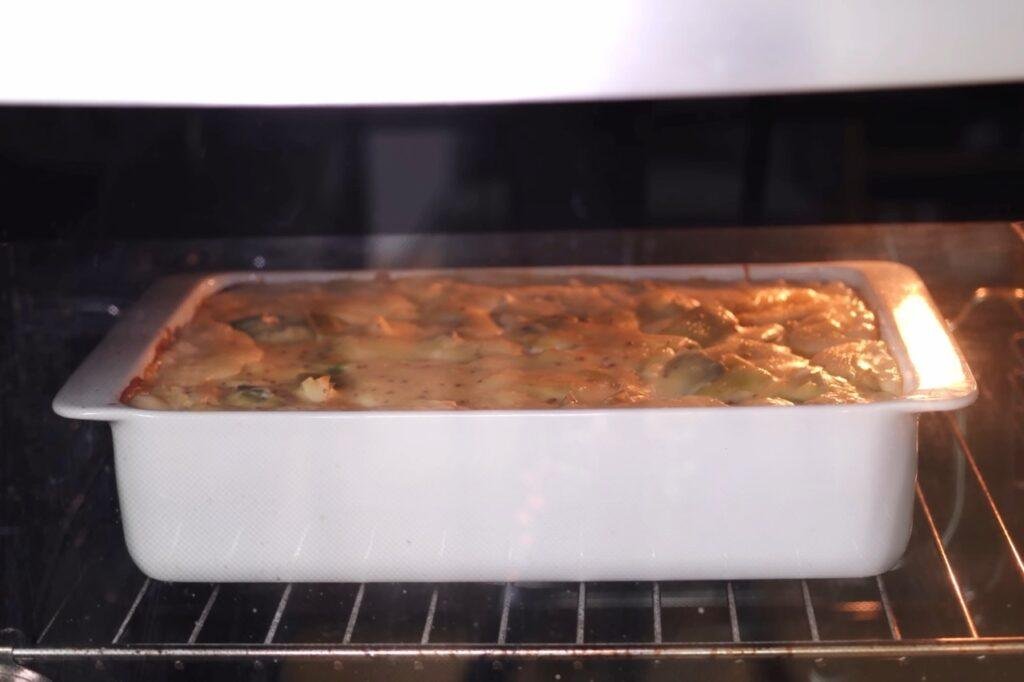
The leek gratin goes in from cold at 180°C. Allow at least an hour, or up to an hour and a half if the oven is crowded. The roast potatoes cook at the same 180°C, so the two share the oven happily. Once the gratin comes out it holds its heat well: covered with a tray, mine was still hot in the middle an hour and a half later, so it can come out early and free up space.
If you didn’t roast the carrots in the morning, this is the second option: roast them alongside the gratin and potatoes at 180°C, give them a little longer than the recipe’s 200°C timings and check them as you go. Add the honey, orange and rosemary glaze once they’re nearly how you like them.
While the Turkey Rests
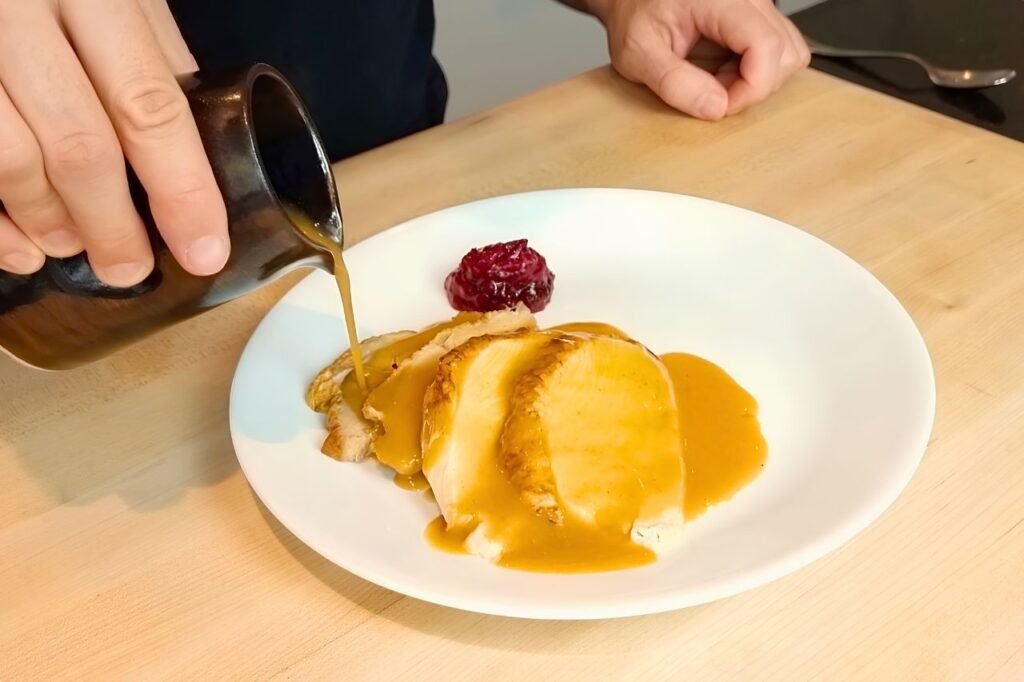
Put the turkey’s roasting tray, with its vegetables and juices, on a low heat and scrape up the fond. Once the vegetables start to fry, add the flour and cook it for 2 minutes, then the wine, then all of the stock. Simmer for 10 minutes, strain it while squeezing the vegetables, and reduce it by half or until it’s as thick as you like. No turkey this year? My foolproof pan sauce method works with the roasting tray instead.
The Last 15 Minutes
Reheat the red cabbage gently on the hob, and cook the green beans in a frying pan with a splash of water under a lid, which takes about 6 minutes. Char the sprouts cut side down for 5 to 7 minutes, then toss them with the dressing and walnuts for 30 seconds. If your carrots were roasted in the morning, give them 5 minutes at 200°C once the gratin and potatoes are out. Flash the Yorkshire puddings in the oven for 5 minutes at 180°C, and brush the fondants with a little stock or fat and give them 5 to 10 minutes in a hot oven.
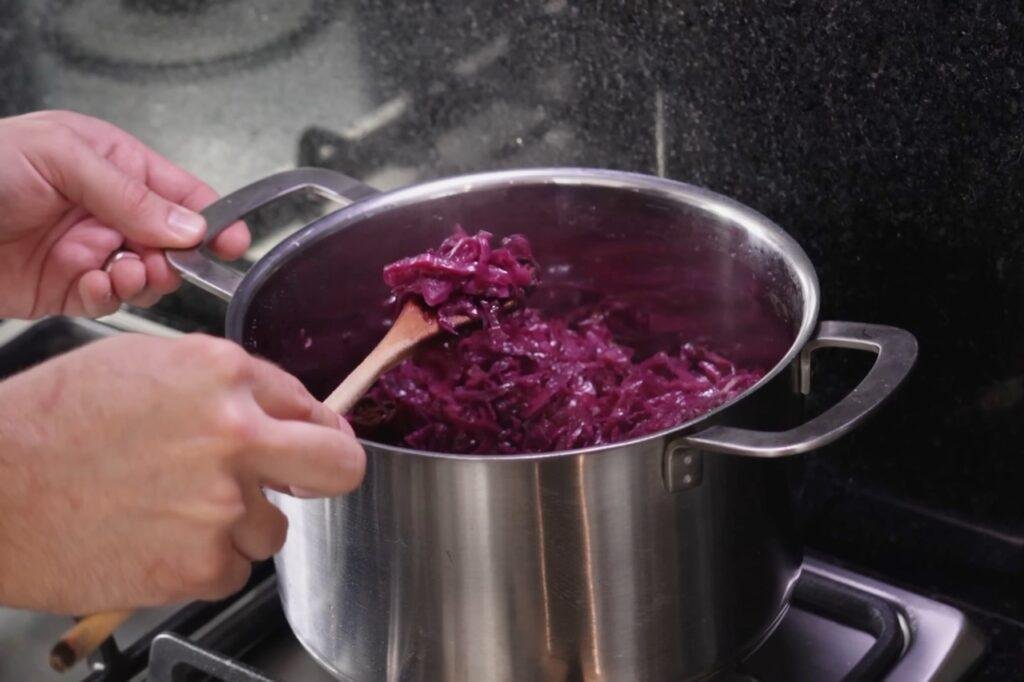
Braised Red Cabbage That Stays Out of the Oven
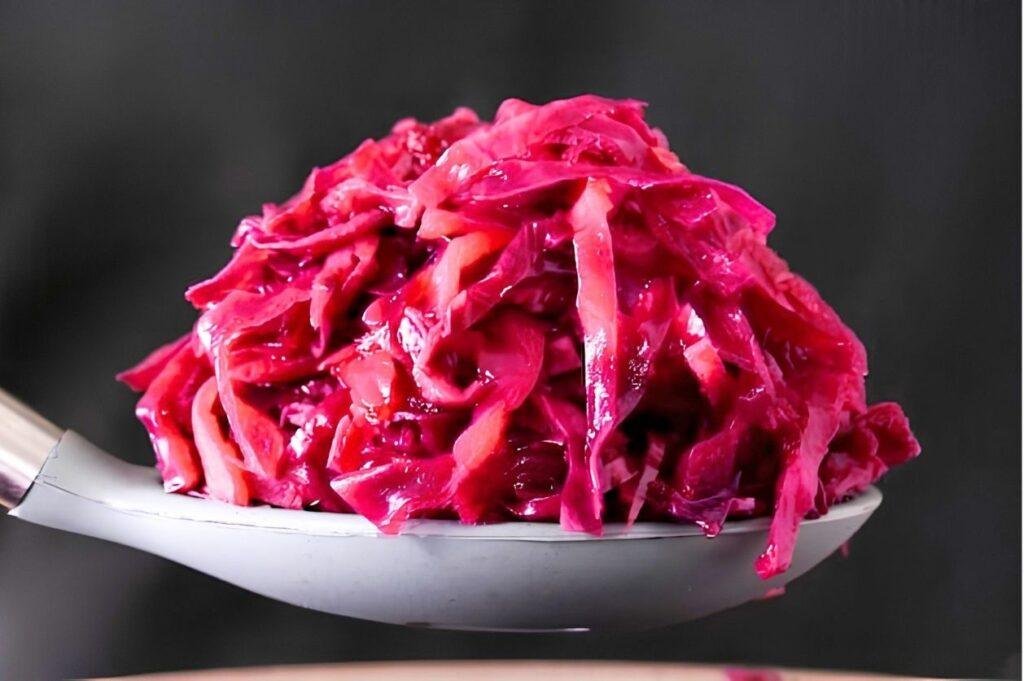
This is the side I always make for Christmas, because it’s cooked entirely on the hob in one saucepan, it’s alcohol-free and it can be made 3 days ahead. Grated apple, apple cider vinegar, brown sugar and a small cinnamon stick cook on the lowest heat for 10 minutes before the cabbage goes in. That acidic base is the trick for the colour: cooking red cabbage in acid rather than plain water stops it turning a dull blue-grey.
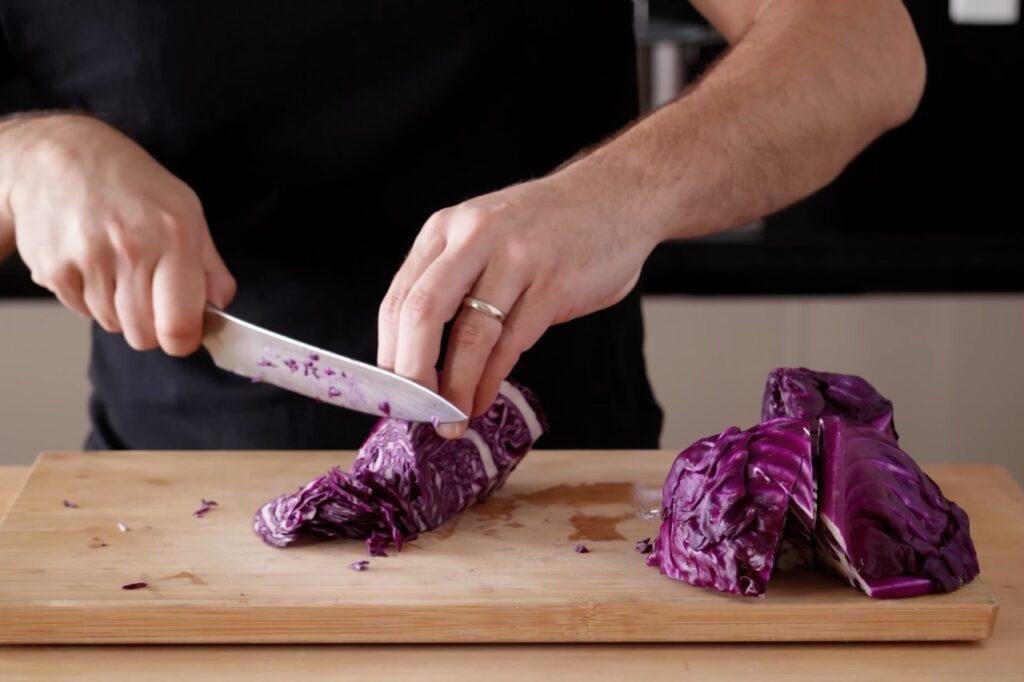
The sliced cabbage then wilts for about 5 minutes with the lid on, and finishes on a low heat for 20 to 40 minutes, depending on how soft you like it. The full method, including how to slice it so it cooks evenly, is in my braised Christmas red cabbage post.
Charred Brussels Sprouts That Stay Bright Green
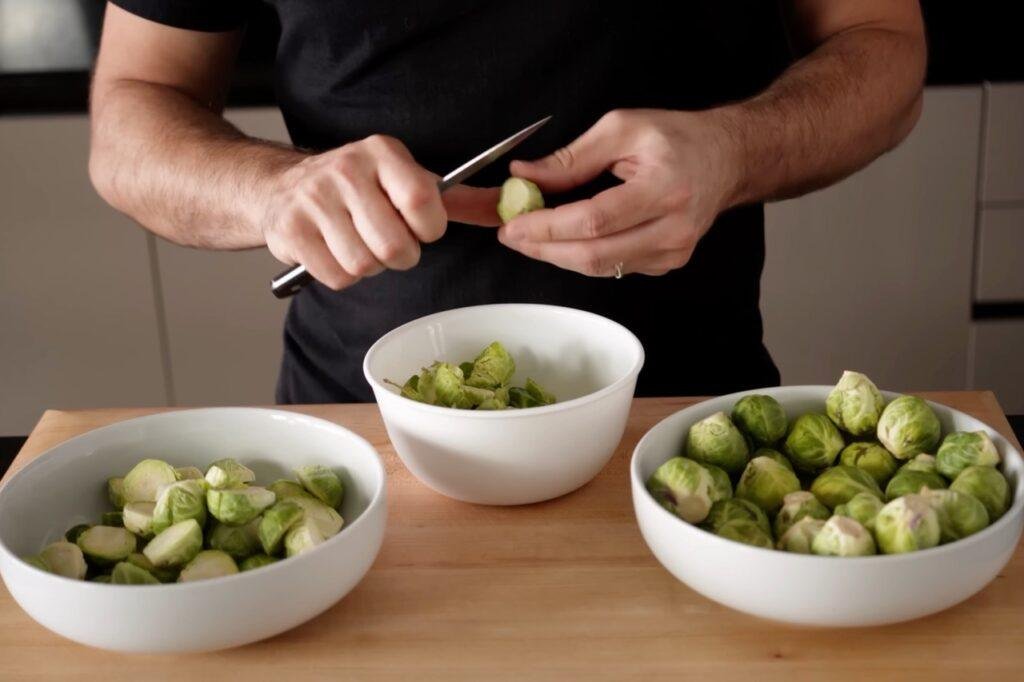
In a restaurant, a commis chef spends December prepping sprouts for hours each day, all the way up to Christmas, so you quickly learn the best systems. Mine starts with halving each sprout instead of scoring a cross in the base. Halved sprouts cook evenly whatever their size, cook quicker, and leave a flat edge for charring.
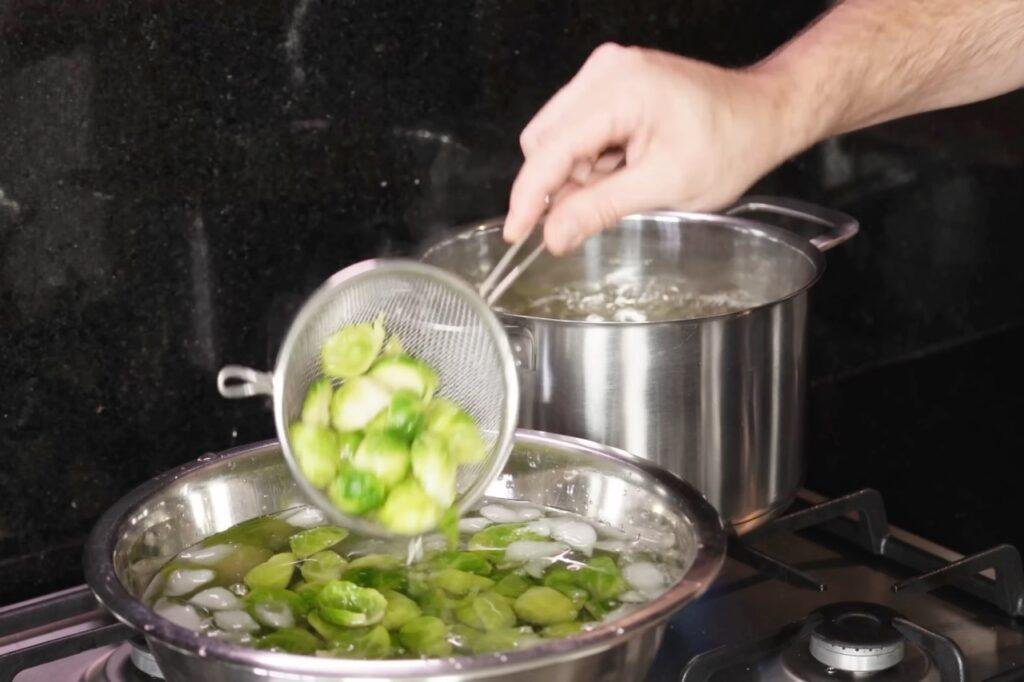
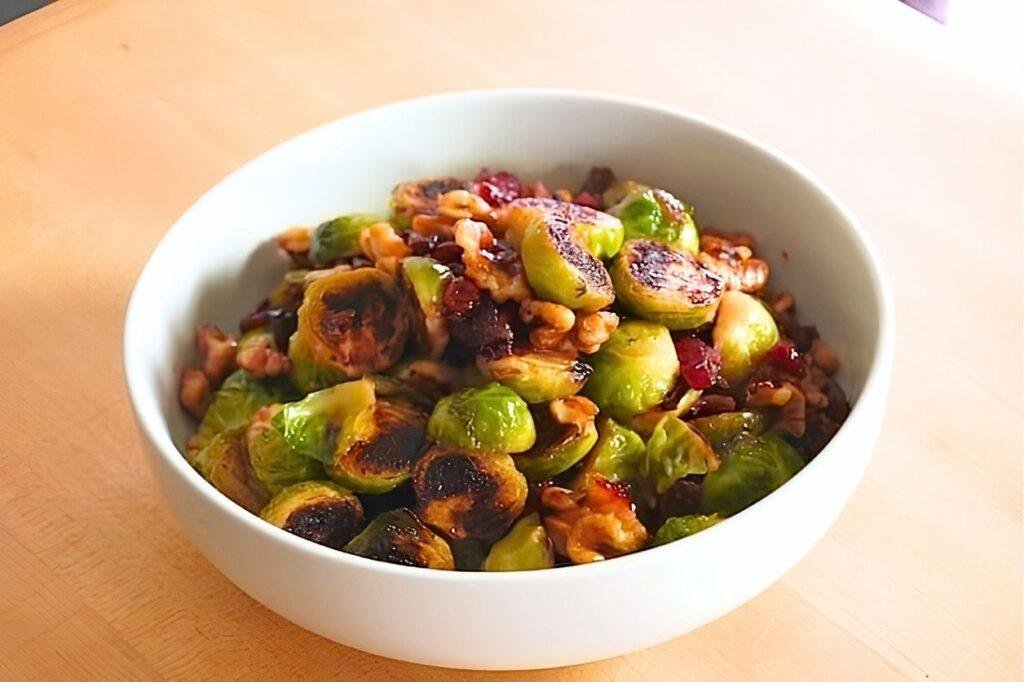
Blanch them for just 3 minutes, bringing the water back to the boil as fast as you can, then plunge them into ice water. That fast shock is what keeps them bright green. The dressing of orange zest and juice, dried cranberries, olive oil, thyme and honey is made separately, so the cranberries have time to rehydrate. On the day, the sprouts go cut side down into a really hot pan until deeply charred. Everything else is in my charred make-ahead Brussels sprouts recipe.
Roasted Carrots That Stay Plump, Not Wrinkled
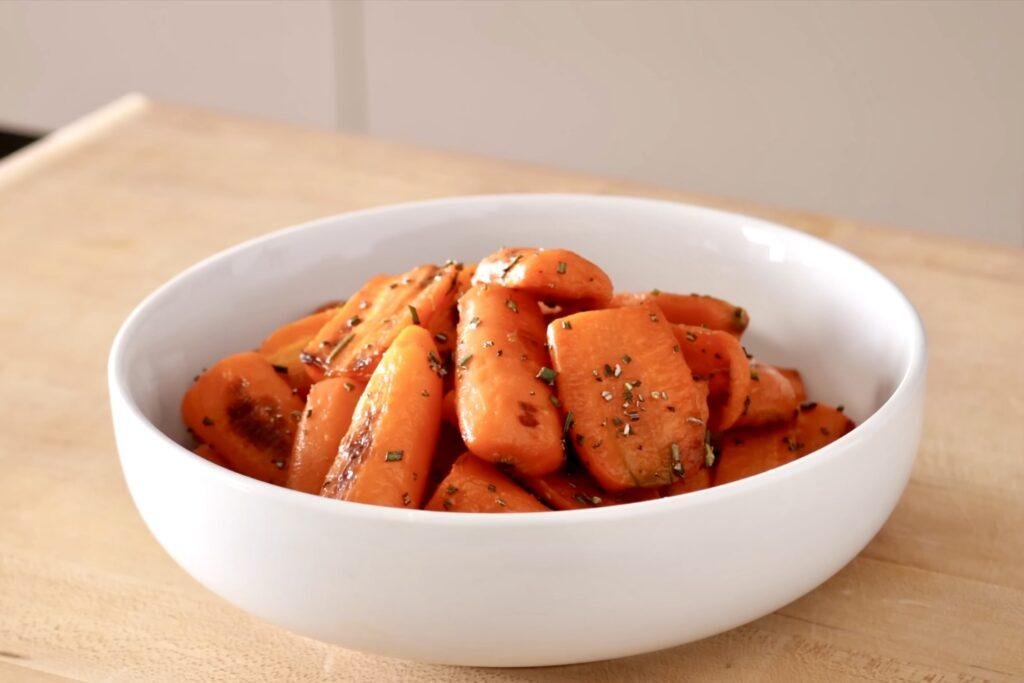
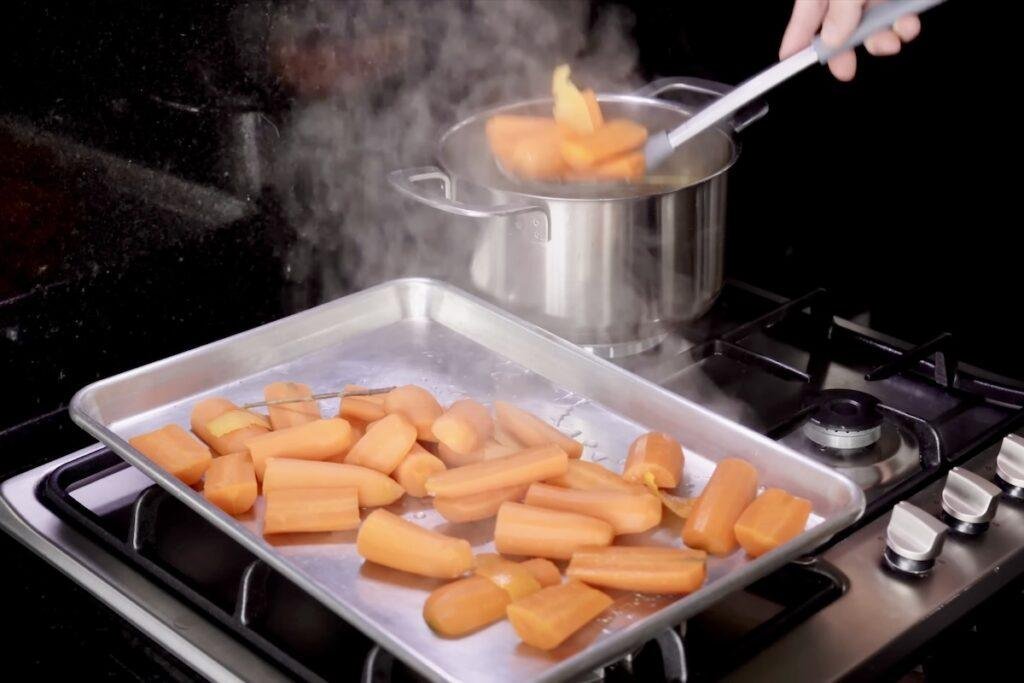
Roasted carrots go dry and wrinkled when the oven dries out the outside faster than the middle cooks. In a professional kitchen I would generally use an oven where I can control the humidity, but most home ovens can’t do that, so three simple tricks put the moisture back. Cut them bigger and even, keeping the tapered root end whole and halving the thick body. Parboil them for 3 minutes with strips of orange peel and the rosemary stalks, only to hydrate them. Then coat every surface in a thin layer of oil, because any dry patch is the first to shrivel.
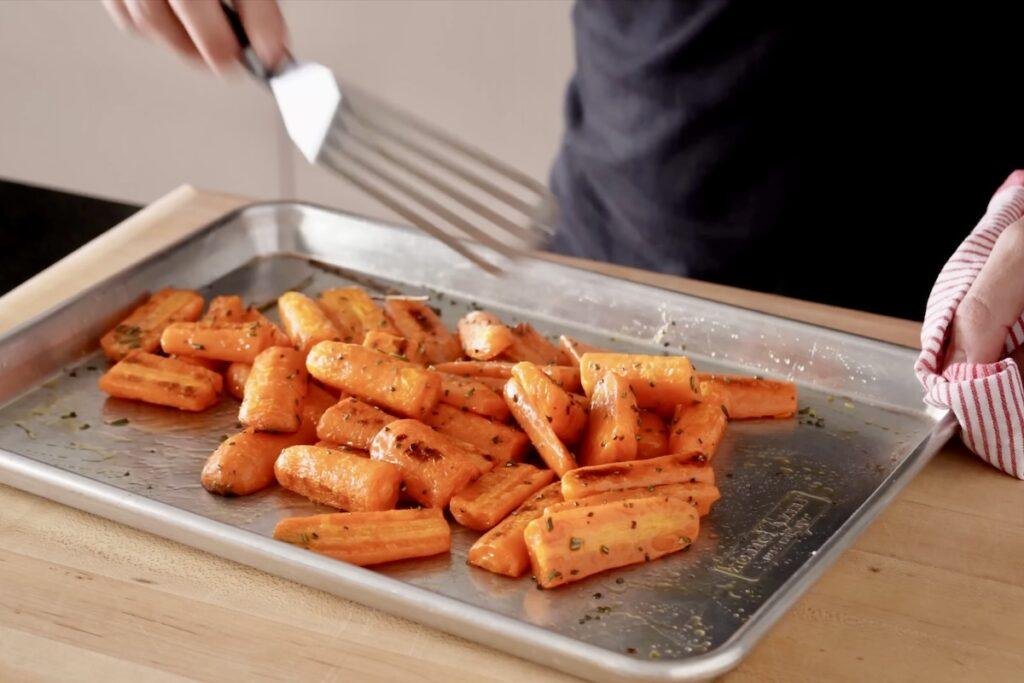
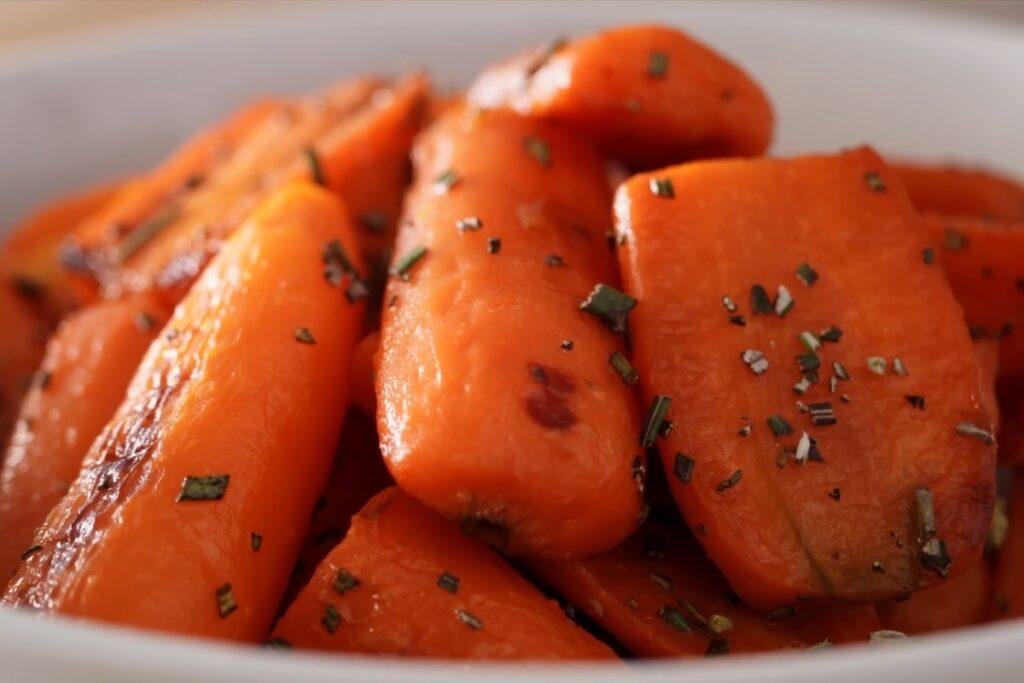
They roast at 200°C, flipped every 10 minutes, then get honey, orange juice and chopped rosemary at the end. Once glazed, they can cool on the tray and be finished with 5 minutes in the oven when everything else is ready. The full method is in my three simple tricks for roasted carrots.
Green Beans in One Pan in Six Minutes
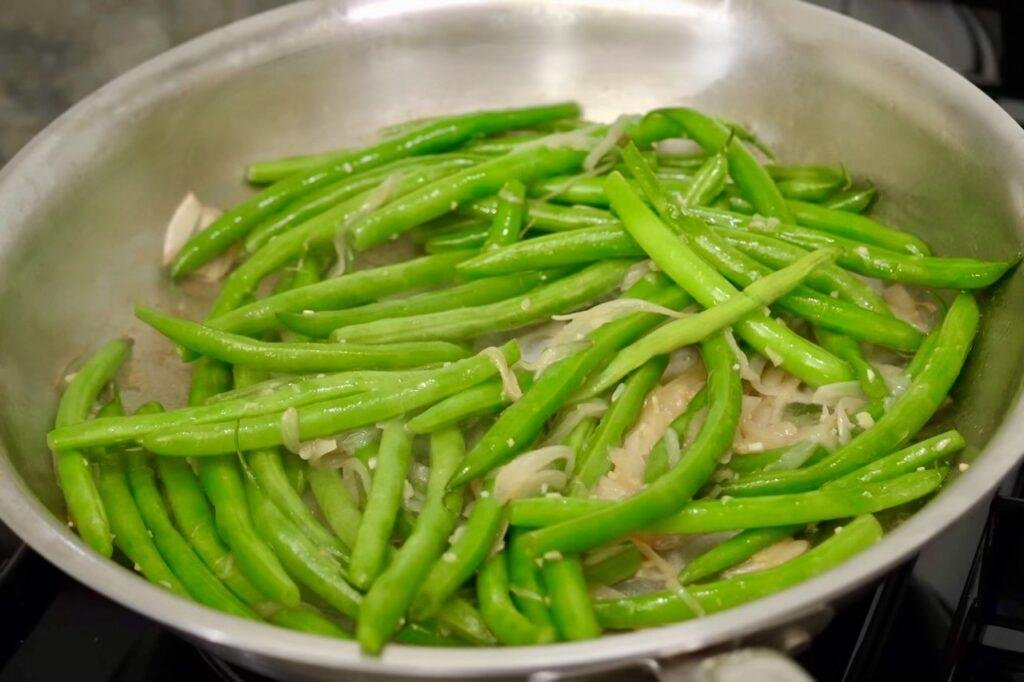
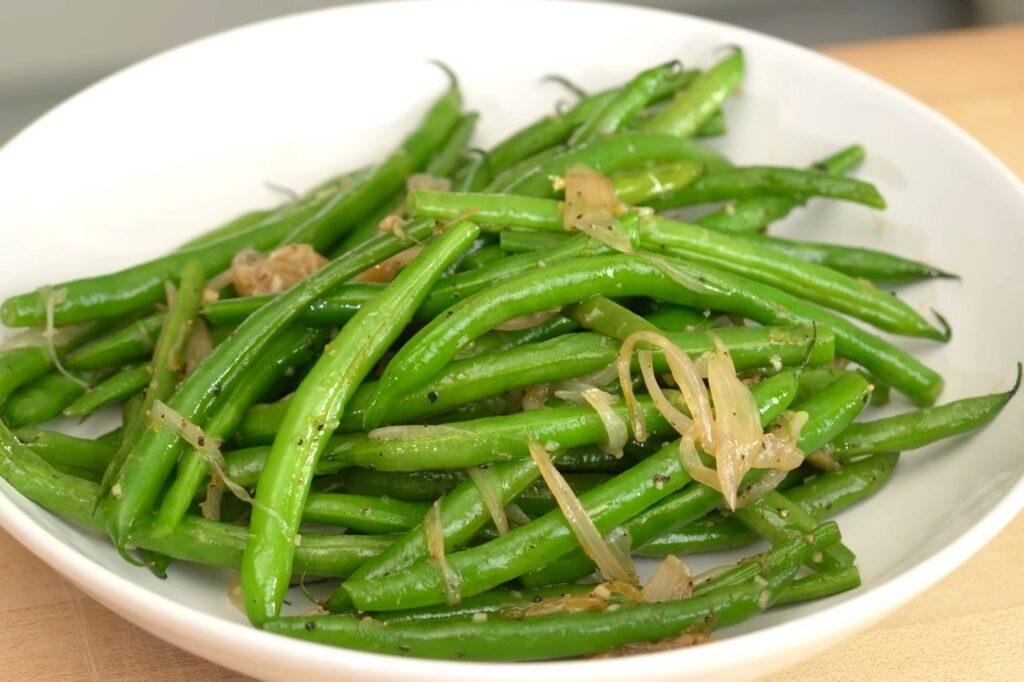
In professional kitchens, green beans are blanched, plunged into iced water and reheated for service. That’s how you keep hundreds of portions green, but at home it means extra pans. I cook them in one frying pan instead: a finely sliced shallot softened in butter, then the beans with a 50 ml shot of water and a tight-fitting lid for about 3 minutes, so they steam. Lid off, heat down, garlic in, then lemon zest, salt and pepper once they’re tender but still crisp.
They take 4 to 7 minutes depending on how thick they are, so they’re a last-minute job on the hob that never touches the oven. If a bean still squeaks on your teeth, give the pan another minute. Everything is in the best way to cook green beans.
A Leek Gratin You Bake Straight From the Fridge
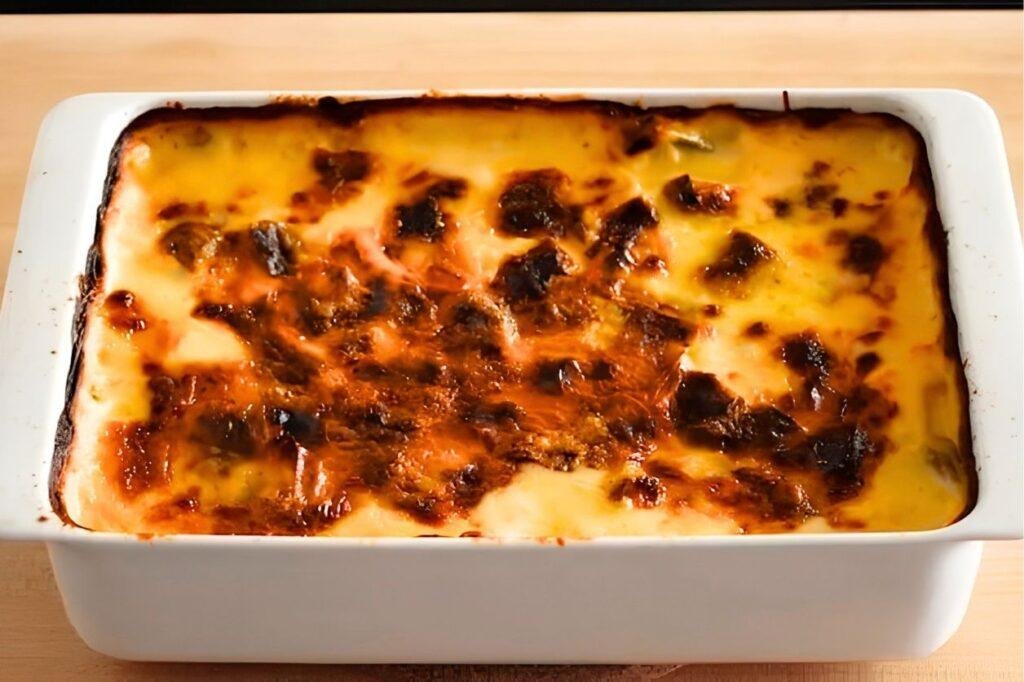
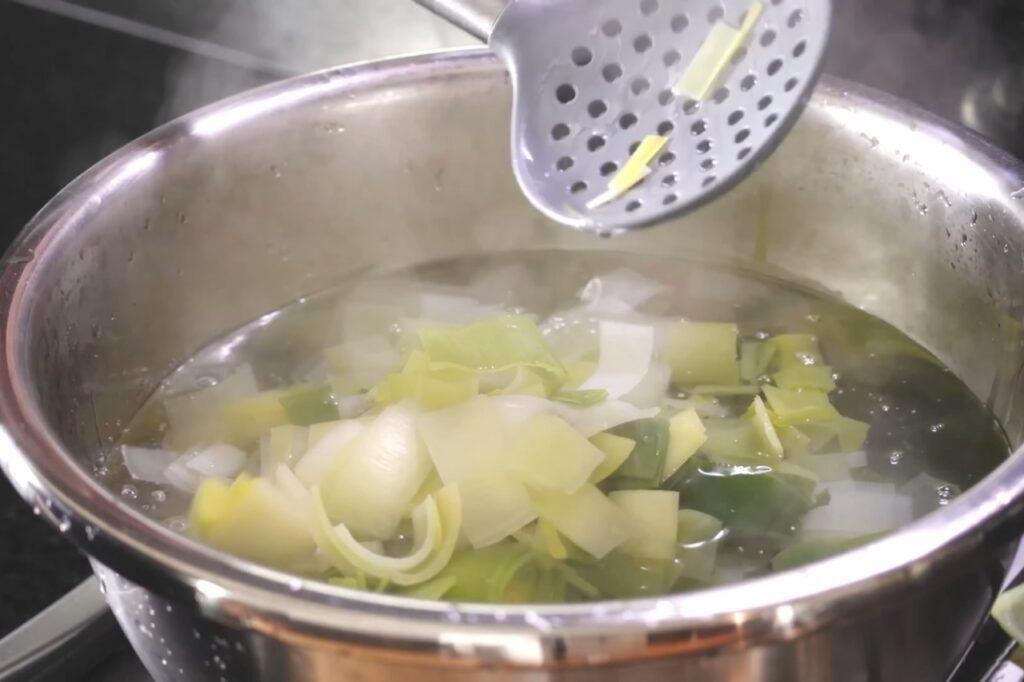
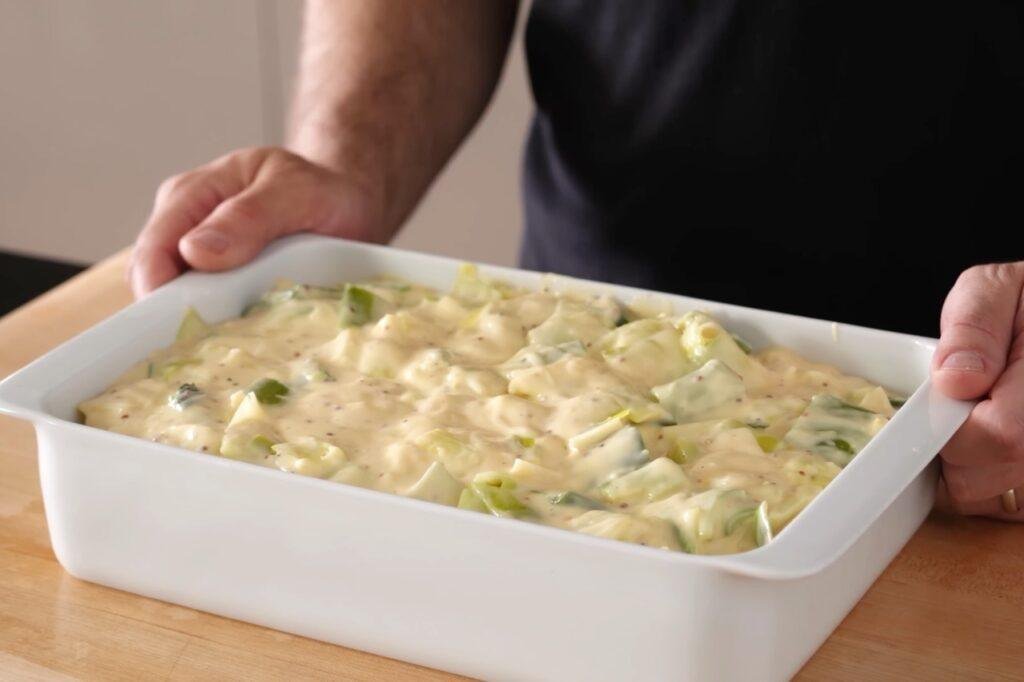
My Mum makes this every year for Christmas, and it’s always the first dish on the table to get finished. The leeks are sliced before they’re washed, so the water can reach the grit between the layers, then floated in plenty of water so the dirt sinks away from them. The sauce is a béchamel built from cold milk added in small batches, which keeps it lump-free.
The mature cheddar goes in off the heat so it can’t split, something I was taught in my first year in a professional kitchen and have never skipped since. Once assembled, it keeps in the fridge for a day or two and bakes from cold. The full recipe is my Mum’s make-ahead leek gratin.
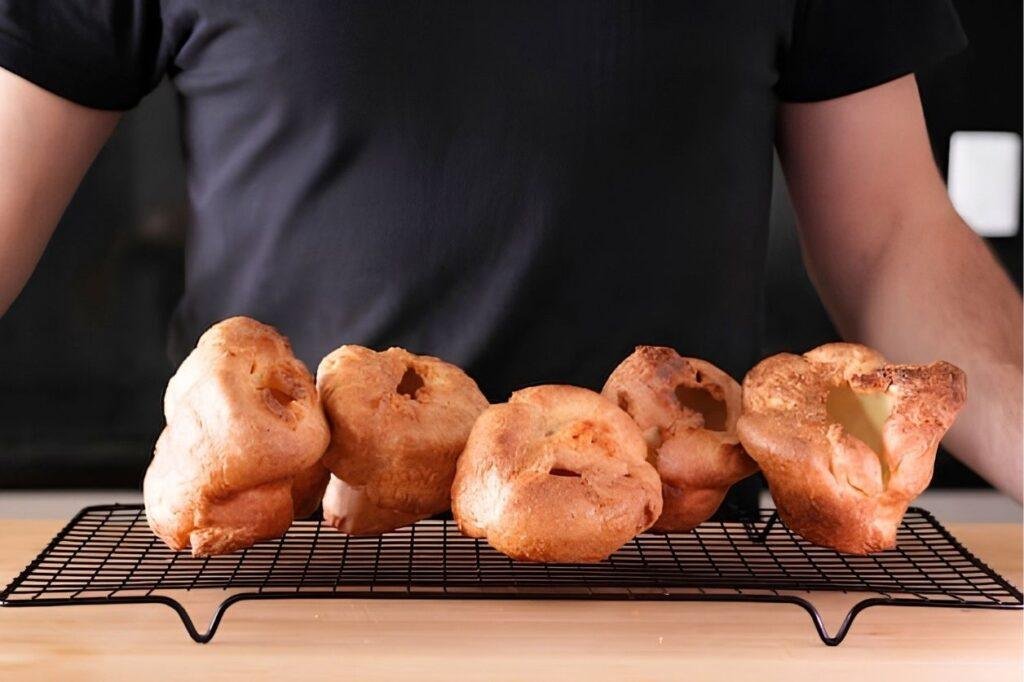
Yorkshire Puddings Made in the Morning
I’ve used the same batter for the last 20 years: equal volumes of egg, flour and milk, measured in a glass, so the size of your eggs doesn’t matter. What makes the difference is technique. The oil needs at least 10 minutes at 220°C, until it’s smoking and as loose as water, so the batter sizzles the instant it goes in. Using every other mould and propping foil around the tray as a windbreak gives a taller, more even rise.
For Christmas, they’re baked in the morning and kept on a cooling rack, then flashed in the oven for 5 minutes at 180°C as you serve. The tests, the rest times and the timeline are all in my Yorkshire pudding recipe and full-day timeline.

Potatoes That Share the Oven
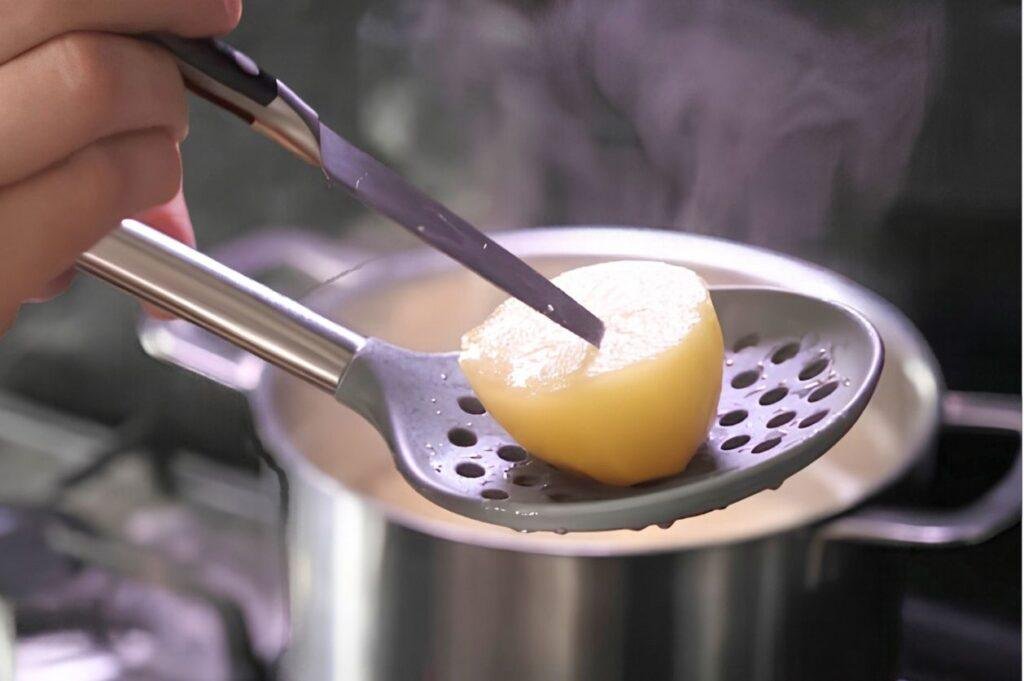
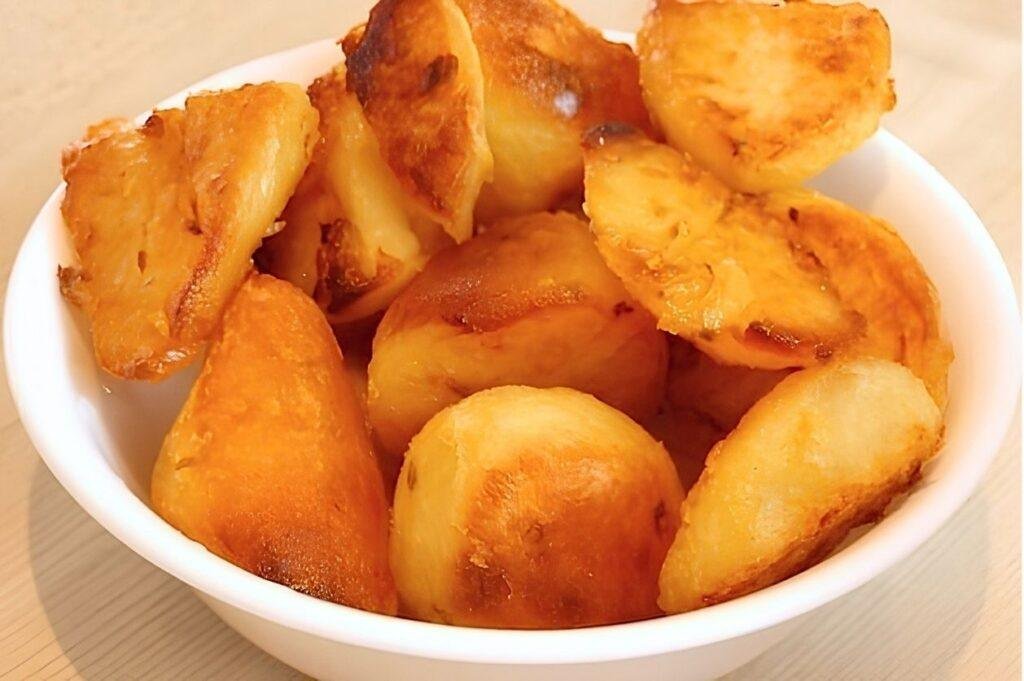
Whichever potato you choose, plan it around the oven. My roast potatoes that work with any variety are parboiled until just soft, steamed dry in the covered pan for anywhere from 10 minutes to 2 hours, shaken with oil and salt, then roasted on a preheated tray at 180°C, flipping until they’re the colour you want.
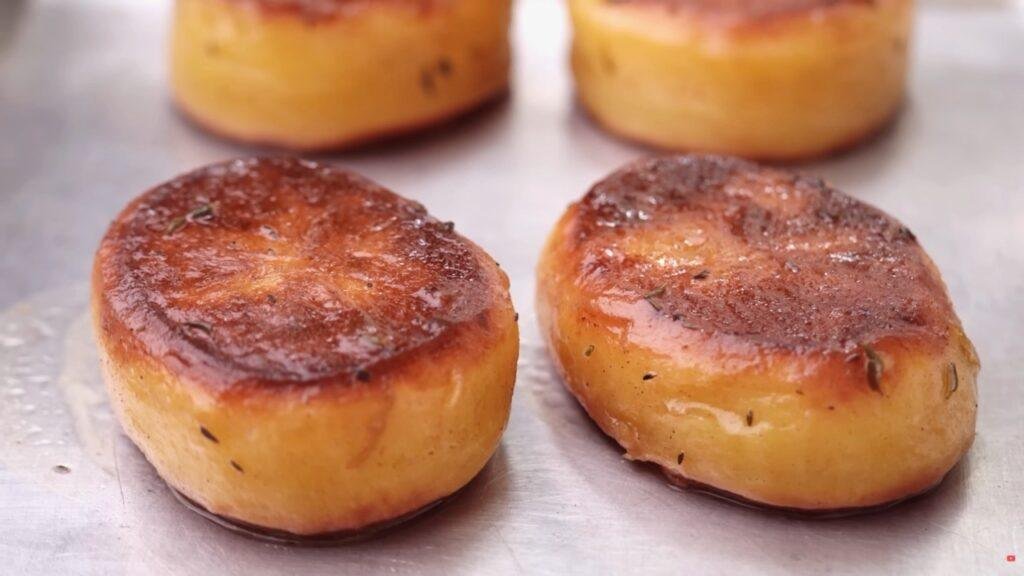
For something different, boulangère potatoes baked in stock are layered over caramelised onions and baked at 160 to 170°C for just over an hour, pressed every 15 minutes or so. They can share the oven with the leek gratin. And fondant potatoes you cook ahead and flash in the oven use the restaurant trick: cooked fully in advance, then brushed with stock or fat and given 5 to 10 minutes in a hot oven to bring back the crust.
Turkey Gravy You Make Days Ahead
The deepest gravy comes from the turkey itself. The bones and trim left over from breaking down the bird are roasted hard until deeply golden, because under-roasted bones give a weak, beige gravy, like a bad cup of tea. They cook into a stock overnight in the oven, which then chills until it’s gelatinous. On the day, the gravy is finished in the turkey’s own roasting tray with the vegetables from under the bird, a roux, a glass of white wine and the stock. Keep the fat from the bone tray for your roast potatoes. The whole method is in my make-ahead turkey gravy from roasted bones.
Cranberry Sauce Made Weeks Ahead
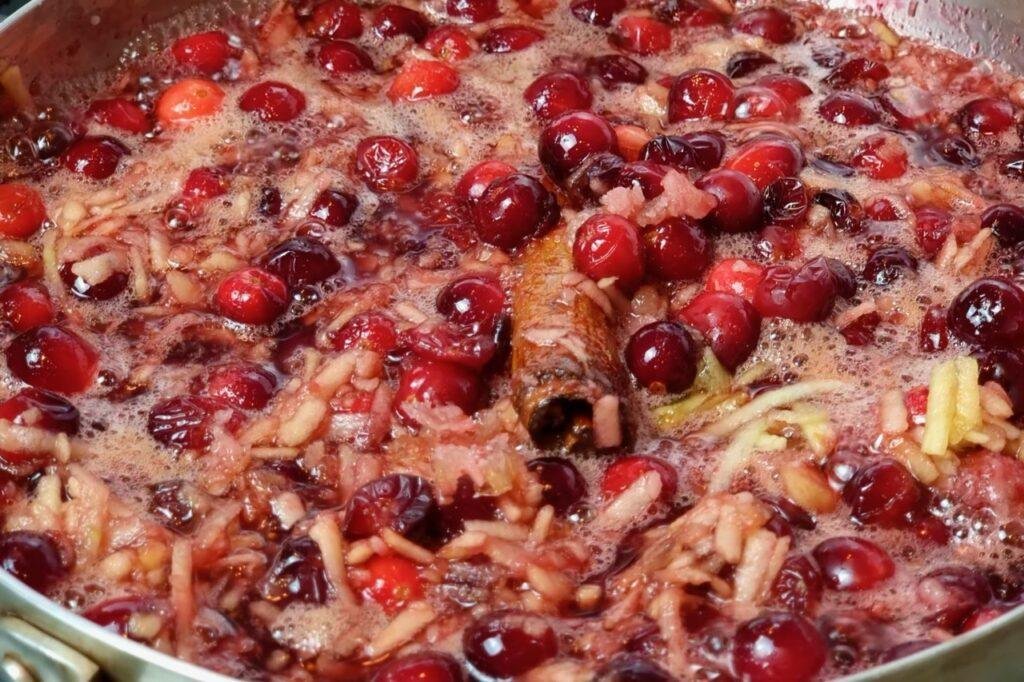
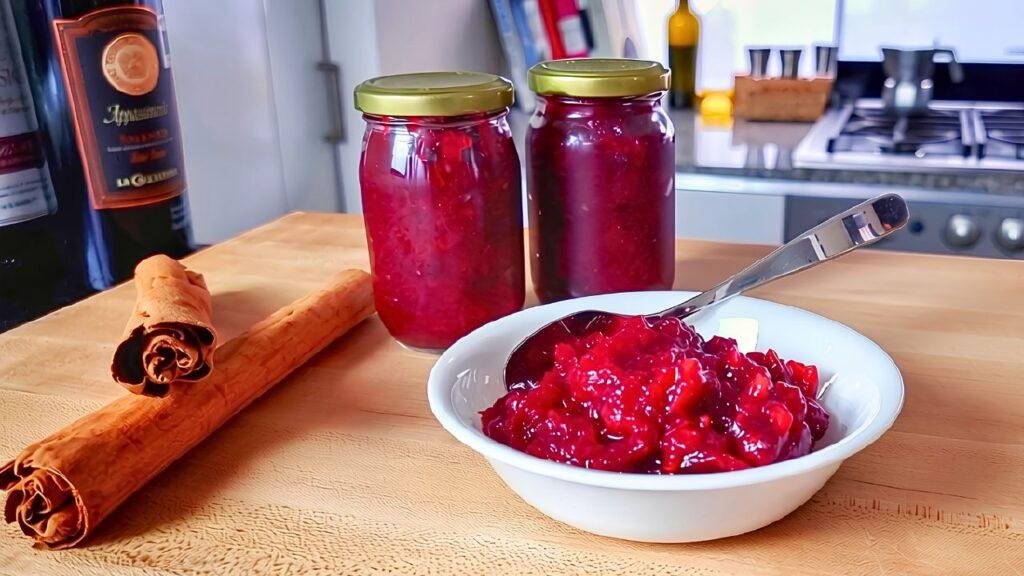
Cranberry sauce is the easiest job to get out of the way, because it keeps for 1 to 2 weeks in sterilised jars. Sugar, water, a cinnamon stick and a star anise infuse on a low heat without stirring, then the cranberries go in, followed by grated apple, red wine and finally orange juice and zest. Stop when about half the cranberries have burst and half are still whole: a spoon dragged through it should leave a slight trail. It takes about 25 minutes, all on the hob. The recipe is my homemade cranberry sauce with orange, apple and red wine.
Frequently Asked Questions
What are some good make-ahead vegetables for Christmas?
Braised red cabbage can be cooked completely up to 3 days ahead and reheated on the hob. Brussels sprouts can be halved, blanched and dressed a day or two before, leaving only a quick char in the pan. A leek gratin can be assembled 1 to 2 days ahead and baked straight from the fridge, and roasted carrots can be roasted and glazed earlier, then finished with 5 minutes in the oven.
What are some popular side dishes for Christmas dinner in the UK?
On my Christmas table that means roast potatoes, stuffing and cauliflower cheese alongside the turkey, plus braised red cabbage, Brussels sprouts, roasted carrots, green beans and my Mum’s leek gratin. Yorkshire puddings are often there too, with turkey gravy and cranberry sauce on the side.
What are some easy side dishes I can make for a crowd?
The leek gratin serves 8 from one baking dish, and the red cabbage serves 6 to 8 from a single saucepan. The sprouts serve 6 to 8 from 1 kg, the turkey gravy makes enough for 12 and the cranberry sauce makes 750 ml. The Yorkshire pudding batter makes around 6, and the carrots and green beans are written for 4, so simply multiply them for more. All of them can be started ahead, which matters most when you’re cooking for a lot of people.
What side dishes go with turkey at Christmas?
Anything that doesn’t fight the turkey for oven space works best. Red cabbage, sprouts and green beans finish on the hob, Yorkshire puddings are baked in the morning, and the leek gratin and roast potatoes both cook at 180°C, so they can share the oven. A gravy made from the turkey’s own bones and roasting tray ties it all together, with a cranberry sauce made well before the day.